
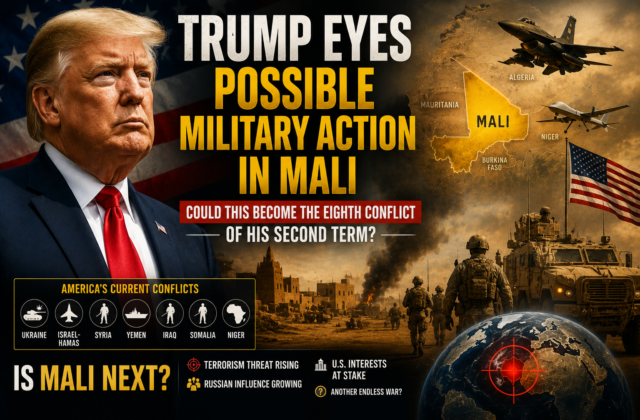
Trump Eyes Possible Military Action in Mali: Could This Become the Eighth Conflict of His Second Term?
rump Military Action in Mali Could Mark a Major Shift in U.S. Foreign Policy The Trump administration is reportedly evaluating military options in Mali, a West African nation that has become one of the world’s fastest-growing centers of Islamist insurgency. According to officials familiar with the discussions, no final decision has been made, but military...
TheBusinessNow
Jul 22, 2026 · 3 min Read
Key Highlights
- 🌍 The Trump administration is reportedly evaluating military options in Mali, signaling a potential expansion of U.S. security operations in West Africa.
- 💰 Wall Street is closely watching whether Google's multi-billion-dollar AI investments are translating into stronger revenue and profits.
- ⚠️ Officials say discussions are ongoing, but no military strike or intervention has been publicly approved.
- 🪖 Mali has become a major counterterrorism hotspot following military coups, the withdrawal of French and UN forces, and the rise of al-Qaeda-linked militants.
- 📈 Investors are closely monitoring the situation, as geopolitical tensions can influence gold prices, crude oil markets, defense stocks, and global risk sentiment.
- 🌍 The outcome could reshape U.S. influence in Africa while affecting relations with regional governments, Russia, and international allies.
rump Military Action in Mali Could Mark a Major Shift in U.S. Foreign Policy
The Trump administration is reportedly evaluating military options in Mali, a West African nation that has become one of the world’s fastest-growing centers of Islamist insurgency. According to officials familiar with the discussions, no final decision has been made, but military planning is underway, making Mali the latest potential flashpoint in U.S. counterterrorism strategy.
If approved, Mali would become another country where President Donald Trump has authorized or expanded military operations during his second term, reinforcing a more interventionist security posture despite his repeated campaign promises to avoid prolonged foreign wars.
Why Is Mali Suddenly Important?
Mali has experienced years of political instability following military coups and the withdrawal of French and UN forces. Since then, extremist organizations linked to al-Qaeda, particularly JNIM (Jama’at Nusrat al-Islam wal-Muslimin), have expanded their territorial influence across large parts of the country. Russian-backed security forces have struggled to contain the insurgency, raising concerns among Western intelligence agencies.
American officials reportedly fear that allowing these groups to strengthen further could create a larger regional security threat extending across the Sahel.
What Military Options Are Being Considered?
According to reports, the administration is examining several possible responses, including targeted counterterrorism strikes against militant leaders and infrastructure. However, officials stress that discussions remain ongoing and that President Trump has not publicly approved military action.
Why the Decision Matters
Any U.S. military operation in Mali would have consequences beyond West Africa:
- It could reshape America’s role in African security.
- It may affect relations with Russia, which has expanded its influence in Mali.
- Regional governments could either welcome additional counterterrorism support or express concerns about foreign intervention.
- Investors could closely monitor defense stocks, gold, and oil if broader geopolitical tensions increase.
Could This Become Trump’s Eighth Military Conflict?
Several news organizations have described Mali as a potential eighth country in which Trump has considered or authorized military action during his second term. That characterization refers to reported military interventions or strike authorizations elsewhere and remains a matter of media framing rather than an official U.S. government designation.
What Happens Next?
At this stage, no strike has been announced. The White House could:
- Approve limited counterterrorism operations,
- Continue intelligence cooperation with Mali,
- Pursue diplomatic and regional partnerships instead of direct intervention,
- Or decide against military action altogether.
The coming days will determine whether these reported discussions translate into policy.
Conclusion
The reports surrounding Mali represent an important development in U.S. foreign policy, but they should be understood as planning rather than confirmed military action. Whether the administration ultimately proceeds will depend on intelligence assessments, strategic priorities, and political considerations. If approved, the move could have significant implications for the Sahel, U.S.-Africa relations, and broader global security.
FAQs
Q: Has the U.S. attacked Mali?
No. Current reporting indicates military options are being considered, but no operation has been publicly approved.
Q: Why is Mali strategically important?
Mali is a key center of Islamist militant activity in the Sahel and has seen growing instability since the withdrawal of French and UN forces.
Q: Which militant group is the focus?
Reports identify JNIM, an al-Qaeda-linked organization, as the primary concern.
Q: Could this affect global markets?
A significant military escalation could influence investor sentiment, particularly in defense, commodities, and safe-haven assets, though the impact would depend on the scale of any action.
Keep reading
Related Articles
 Commodities
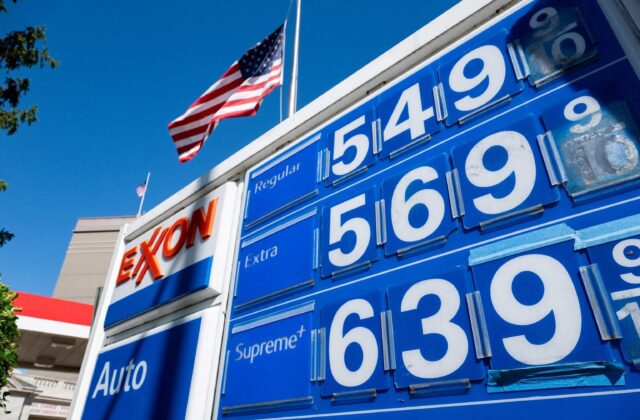
Oil Nears $95: Could the Iran War Trigger a New U.S. Inflation Shock?
Oil at $95 Is Not the Real Story A crude-oil headline is easy to write: “Oil prices rise as Iran tensions escalate.” Reuters, Bloomberg, CNBC and WSJ can publish that story within minutes. But for TheBusinessNow, that isn’t enough. The bigger question is: What happens to the American economy if oil stays near $95 —...
 Economy
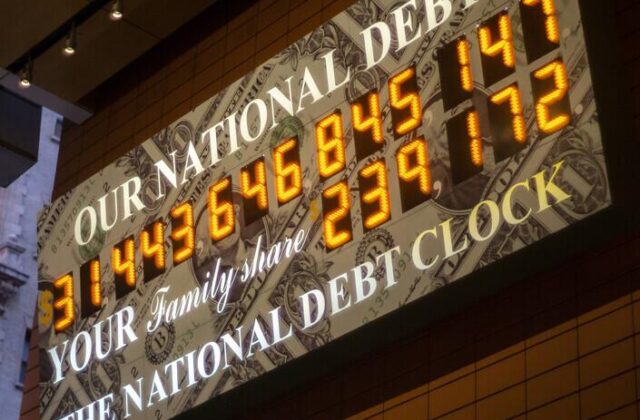
U.S. National Debt Hits $40 Trillion: Why Treasury Yields Are Rising Again
The $40 Trillion Number Is Not the Whole Story The United States has crossed a psychological and financial milestone. $40 trillion. But simply writing “America owes $40 trillion” misses the more important story. The real question for markets is: Who is willing to finance America’s growing debt — and at what interest rate? That question...
 Commodities
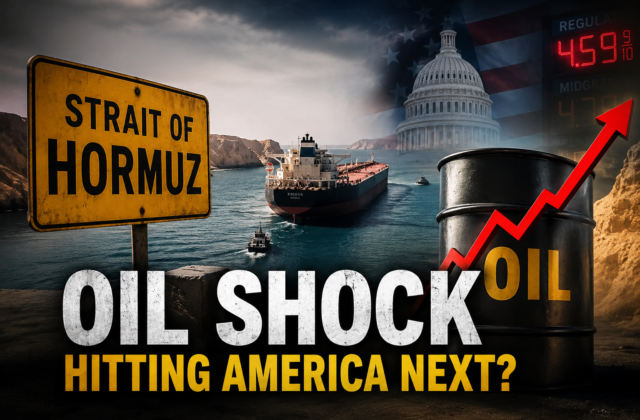
Strait of Hormuz Standoff: The Oil Shock That Could Hit the U.S. Economy Next
Strait of Hormuz Standoff: Why the Oil Market Is Getting Nervous Again The oil market is being forced to price a problem that seemed to be easing only weeks ago: the Strait of Hormuz is still not reliably functioning as a normal commercial shipping route. On August 19, Brent crude was trading around $91.20 a...
Comments (0)