
U.S. Treasury Doubles Bond Buybacks: Why Markets Are Still Worried About Rising Yields
The Treasury Just Sent Two Messages to Wall Street At first glance, this looks like a straightforward market-support operation. Treasury says: We want to improve liquidity in longer-dated Treasury securities. Investors hear: Washington is increasingly concerned about the rise in long-term borrowing costs. And that second interpretation is what makes this story important. The Treasury...
TheBusinessNow
Aug 20, 2026 · 10 min Read
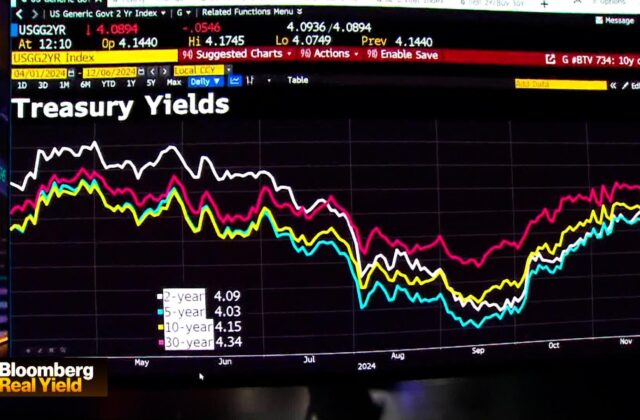
Key Highlights
- The U.S. Treasury will at least double the maximum size of its long-end liquidity-support buybacks from $2 billion to at least $4 billion per operation.
- The larger operations begin September 9, 2026, covering the 10-to-20-year and 20-to-30-year sectors.
- The announcement initially pushed long-term Treasury yields lower, but the relief faded quickly.
- On August 20, the 30-year Treasury yield rose to 5.2214%, after falling to 5.1765% earlier in the session.
- The 10-year Treasury yield rose to 4.6763% on August 20.
- The 30-year yield had recently reached its highest level since 2007, according to Reuters.
The Treasury Just Sent Two Messages to Wall Street
At first glance, this looks like a straightforward market-support operation.
Treasury says:
We want to improve liquidity in longer-dated Treasury securities.
Investors hear:
Washington is increasingly concerned about the rise in long-term borrowing costs.
And that second interpretation is what makes this story important.
The Treasury isn’t simply buying bonds because it likes them.
It is increasing support after long-term yields surged to multi-year highs.
That means the market is now asking a much bigger question:
Can Treasury buybacks actually stop the rise in U.S. borrowing costs?
So far, the answer from the market appears to be:
Not by themselves.
💰 What Exactly Did the U.S. Treasury Change?
On August 19, the Treasury announced that it would increase the size of its liquidity-support buyback operations for longer-dated nominal Treasury securities.
The maximum size goes from:
$2 billion → at least $4 billion per operation
The program targets:
- 10–20 year Treasury securities
- 20–30 year Treasury securities
The larger operations begin September 9.
The Treasury’s stated objective is market liquidity, not a conventional attempt to permanently manipulate interest rates.
That’s an important distinction.
🧠 What Is a Treasury Buyback?
Think of it like this.
The U.S. government has issued an enormous number of Treasury securities over decades.
Some are:
- highly liquid
- heavily traded
- recently issued
Others are:
- older
- less actively traded
- “off-the-run”
Treasury can buy some of these older securities back from investors.
Why?
To improve market functioning and liquidity.
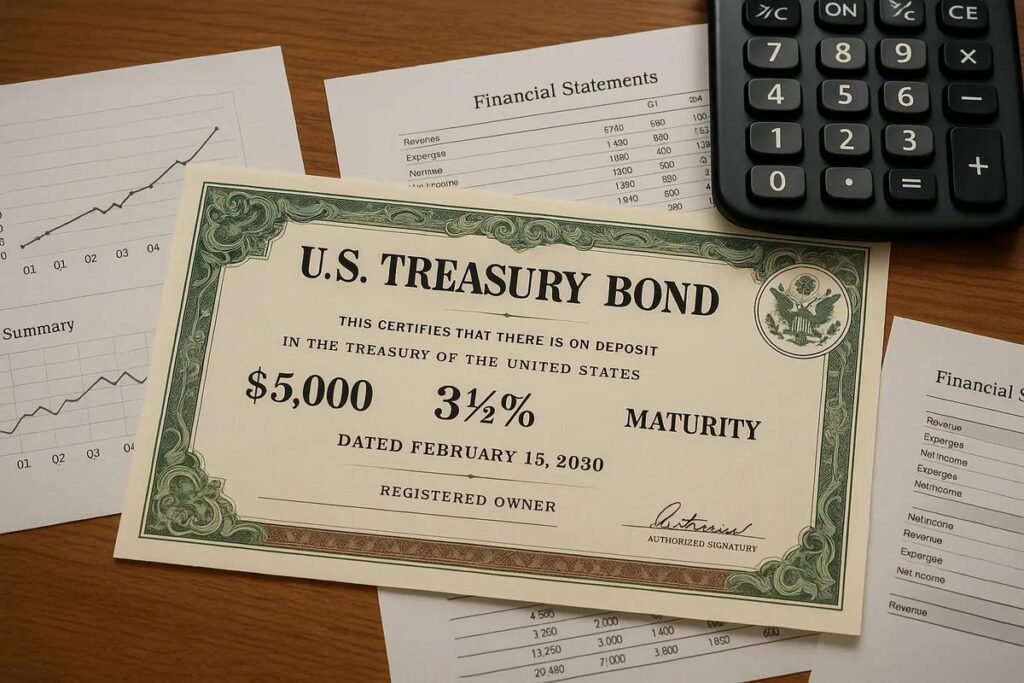
When Treasury buys bonds:
Treasury demand ↑
↓
Bond price ↑
↓
Yield ↓
Remember:
Bond prices and yields move in opposite directions.
So if the Treasury buys enough securities, it can temporarily reduce pressure on yields.
📉 Why Did Yields Initially Fall?
The announcement immediately changed market psychology.
Investors had just watched long-term Treasury yields climb sharply.
Then Treasury effectively said:
“We’re increasing our support.”
That helped calm the bond market.
Reuters reported that the 30-year yield fell roughly nine basis points overnight to around 5.19% after the announcement.
The problem?
The relief didn’t last.
🚨 Yields Started Rising Again
By August 20, the 30-year yield had climbed back to:
5.2214%
The 10-year yield reached:
4.6763%
Reuters reported that U.S. government bonds sold off again as investors questioned whether Treasury’s measures could provide lasting relief.
And that is the key development.
The market is telling us:
Liquidity intervention ≠ solution to structural borrowing pressure.
🏦 Why Are Treasury Yields Rising?
There isn’t one single reason.
The current pressure comes from several forces hitting the bond market simultaneously.
1. 🇺🇸 Massive U.S. borrowing needs
The U.S. government is running large fiscal deficits.
That means Treasury must continuously issue debt.
More debt supply means the market needs more buyers.
2. 💵 $40 Trillion Debt
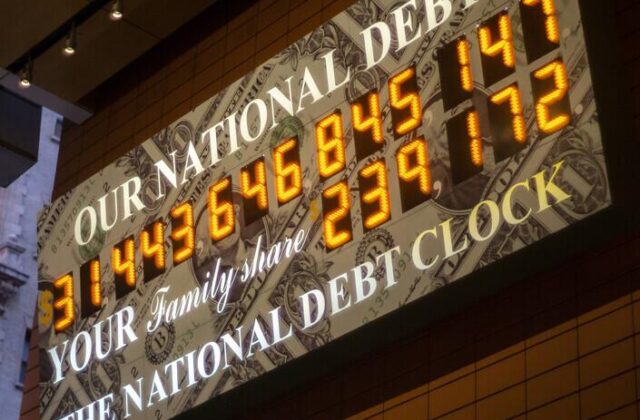
U.S. federal debt has now surpassed $40 trillion.
Reuters notes that the debt has more than doubled since 2017.
That creates a long-term concern:
Who absorbs all this debt?
Banks.
Pension funds.
Insurance companies.
Foreign governments.
Asset managers.
Households.
The Federal Reserve.
And ultimately, global investors.
If investors demand higher compensation for holding long-duration U.S. debt, yields rise.
🔥 3. Inflation Expectations
Inflation is another major problem.
If investors believe inflation will remain elevated, they don’t want to lock money away for 20 or 30 years at a yield that may lose purchasing power.
They demand a higher yield.
The current geopolitical environment isn’t helping.
Oil has been moving higher as the U.S.-Iran conflict continues to disrupt energy markets.
Reuters reported Brent crude near $93.95 on August 20.
That creates another chain:
Iran conflict
↓
Oil ↑
↓
Gasoline + transportation costs ↑
↓
Inflation risk ↑
↓
Bond yields ↑
The Treasury therefore finds itself trying to stabilize bonds while another part of the economy is potentially pushing inflation expectations higher.
🛢️ Oil and Treasury Yields Are Now Connected
This is one of the most important angles for TheBusinessNow.
A lot of financial websites will report:
Treasury doubles buybacks.
Another article will report:
Oil rises toward $95.
Another:
U.S. inflation remains elevated.
But these aren’t isolated stories.
They’re connected.
The macro chain:
Iran war
→ oil
→ inflation expectations
→ Treasury yields
→ mortgage rates
→ consumer spending
→ corporate earnings
→ stock valuations.
That’s the broader story investors should be following.
🏠 Why Rising Treasury Yields Matter for Americans
The 10-year Treasury is one of the most important benchmarks in the financial system.
It influences pricing across:
- mortgages
- corporate bonds
- auto loans
- business financing
- municipal debt
- asset valuations
Reuters notes that long-term borrowing costs reverberate across financial markets because they serve as benchmarks for corporate bonds, equities and real estate.
So when the 30-year Treasury yield pushes above 5%, the impact isn’t limited to bond traders.
It reaches households.
🏠 Mortgage Rates Could Stay Higher
This is where the average American should pay attention.
Suppose Treasury yields remain elevated.
Mortgage lenders still need to price loans based on:
- Treasury yields
- funding costs
- credit risk
- market expectations
- lender margins
So persistent long-term yield pressure can make it harder for mortgage rates to fall significantly.
The chain:
Treasury yield ↑
↓
Mortgage rates face pressure ↑
↓
Monthly payment ↑
↓
Home affordability ↓
That can keep the housing market under pressure even if the Federal Reserve eventually cuts its policy rate.
🏢 Corporate Borrowing Is Also at Risk
Companies don’t borrow at the federal funds rate alone.
They borrow at:
Treasury benchmark + credit spread.
So if the risk-free Treasury benchmark rises:
Corporate borrowing costs can rise too.
For highly leveraged companies, that can mean:
- higher interest expense
- lower profits
- weaker investment
- refinancing pressure
This is especially relevant for companies issuing large amounts of debt to finance expansion.
🤖 And AI Could Be Part of the Bond Story
One of the more interesting developments in the current market is the enormous amount of corporate borrowing connected to AI infrastructure.
Bloomberg has reported that major hyperscalers are issuing large amounts of debt to finance AI expansion, adding another source of demand for capital markets.
That creates a fascinating market dynamic:
Government borrowing
Corporate AI borrowing
=
More demand for investor capital.
This doesn’t mean AI companies are directly “causing” Treasury yields to rise.
But it adds another layer to the competition for long-term capital.
📊 Treasury Buybacks vs. the Size of the Problem
Here’s the number that explains why investors remain skeptical.
Treasury buyback operation:
At least $4 billion
Treasury market:
~$32.2 trillion
Reuters describes the buyback size as negligible relative to the overall Treasury market.
That doesn’t mean the program is useless.
It means the program’s purpose matters.
It can improve liquidity.
It cannot erase America’s fiscal deficit.
It cannot eliminate inflation.
It cannot eliminate Treasury issuance.
It cannot eliminate investor risk premiums.
And that’s why yields can rise again even after a buyback announcement.
🧨 The Biggest Problem: Supply
Imagine a market where one seller keeps bringing more products to market.
Even if another buyer occasionally steps in, the seller still has a huge amount of inventory to distribute.
That’s roughly the concern in the Treasury market.
The U.S. government needs to keep financing its operations.
Treasury therefore continues issuing debt.
The August refunding plan alone included:
- $58 billion of 3-year notes
- $42 billion of 10-year notes
- $25 billion of 30-year bonds
for a total $125 billion refunding offering.
Treasury also said it expected to maintain regular bill issuance and use cash-management bills as needed.
So the bond market isn’t simply dealing with a temporary liquidity problem.
It’s dealing with ongoing supply.
📈 Why the 30-Year Treasury Is the Danger Zone
The 2-year Treasury is heavily influenced by expectations for the Federal Reserve’s policy rate.
The 30-year Treasury is different.
It reflects much more of the market’s expectations about:
- inflation
- economic growth
- government borrowing
- future debt supply
- term premium
- long-run interest rates
That’s why a rising 30-year yield can be particularly uncomfortable.
The Fed can influence short-term rates.
It cannot simply order investors to accept a low 30-year yield.
The market decides.
🏦 The Fed Is Watching Too
The Federal Reserve kept its target range unchanged at its July 28–29 meeting, with the interest rate paid on reserve balances remaining at 3.65%.
The Fed’s policy decisions affect the front end of the yield curve, but long-term yields can move independently.
That’s why:
Fed cuts do not automatically mean 30-year Treasury yields fall.
If investors become more worried about inflation or government debt, long-term yields can remain elevated even when expectations for short-term rates decline.
📉 What Happens to Stocks When Yields Rise?
Higher Treasury yields create competition for stocks.
Imagine:
A Treasury bond offers a substantially higher risk-free return.
Investors then demand more compensation to own risky assets.
That can hurt expensive stocks.
The effect is particularly important for:
- technology
- high-growth companies
- speculative stocks
- long-duration equities
Because their valuations depend heavily on profits expected many years into the future.
Higher discount rates reduce the present value of those future earnings.
💻 Why Nasdaq Could Be Sensitive
Growth stocks are often described as long-duration assets.
Why?
Because much of their valuation comes from future earnings.
If the discount rate rises:
Future earnings become less valuable today.
Therefore:
Treasury yields ↑
→ discount rate ↑
→ valuation multiples ↓
→ growth stocks face pressure.
That doesn’t mean every Nasdaq stock falls when Treasury yields rise.
But it explains why bond-market volatility can quickly become an equity-market story.
💵 What About the U.S. Dollar?
Normally, higher U.S. yields can support the dollar because investors may seek higher returns on dollar assets.
But this relationship isn’t guaranteed.
If rising yields are interpreted as a sign of:
- fiscal stress
- inflation risk
- reduced confidence
- policy intervention
the dollar can behave differently.
Reuters reported that the dollar weakened after the Treasury buyback announcement as long-term yields fell.
That makes the bond-dollar relationship another important indicator to monitor.
🥇 And Gold?
Gold becomes particularly interesting in this environment.
If:
debt concerns ↑
inflation fears ↑
geopolitical risk ↑
investor demand for gold can rise.
Reuters reported that gold surged above $4,500 per ounce during the initial market reaction to the Treasury buyback announcement.
That’s why Treasury yields, the dollar and gold should be monitored together rather than separately.
🪙 The Gold–Treasury Connection
There are two competing forces.
Higher real yields
Usually:
negative for gold
because bonds become more attractive.
Higher inflation/debt/geopolitical concerns
Can:
increase demand for gold as a store of value.
So if gold rises despite elevated yields, investors should pay attention.
It can indicate that the market is increasingly focused on fiscal and currency risk, rather than simply interest rates.
🚨 Why Markets Are Still Worried
The Treasury’s move solves one problem:
Liquidity.
But investors are worried about bigger problems:
1. Fiscal deficits
Government spending exceeds revenues.
2. Debt supply
Treasury must continue issuing enormous quantities of securities.
3. Inflation
Energy and geopolitical shocks can keep price pressures elevated.
4. Term premium
Investors may demand additional compensation for holding long-duration debt.
5. Global bond competition
Japan and Europe are also experiencing rising long-term borrowing costs.
6. Credibility
Repeated intervention could make markets question the traditional principle of predictable Treasury debt management.
Reuters reported that JPMorgan analysts viewed the intervention as addressing immediate pressure while leaving structural fiscal problems untouched.
⚠️ Could Buybacks Actually Make the Problem Worse?
This is the controversial part.
JPMorgan strategists have warned that Treasury’s expanded buybacks could potentially have unintended consequences.
Why?
Because the market may interpret aggressive intervention as evidence that Treasury is increasingly uncomfortable with high long-term yields.
That could cause investors to demand a greater term premium.
MarketWatch reported JPMorgan’s concern that the strategy could ultimately push long-term yields higher rather than lower if investors see it as addressing symptoms instead of the underlying fiscal problem.
This isn’t a guaranteed outcome.
But it explains why the market reaction deserves attention.
🧮 The $4 Billion Question
Here’s the simplest way to understand the situation.
Treasury says:
We are buying more bonds.
Market asks:
But how much more debt are you issuing?
Treasury says:
A lot.
Market asks:
And what happens to inflation?
Treasury says:
We’re monitoring it.
Market asks:
And the deficit?
Treasury:
…
That’s the reason the buyback story is bigger than the headline.
🔮 Three Possible Paths for Treasury Yields
🟢 Scenario 1 — Buybacks Calm the Market
Treasury successfully improves liquidity.
Long-end demand stabilizes.
Inflation expectations moderate.
Oil prices fall.
Yields gradually decline.
Result:
Bullish for bonds + supportive for stocks + positive for housing.
🟡 Scenario 2 — Yields Stay Around Current Levels
Treasury interventions prevent disorderly selling but don’t reverse the underlying trend.
The 10-year stays elevated.
The 30-year remains around or above 5%.
Result:
Higher-for-longer borrowing costs.
This could become the base case if inflation and fiscal concerns remain unresolved.
🔴 Scenario 3 — Long-Term Yields Break Higher
Oil rises.
Inflation expectations increase.
Deficits remain large.
Treasury issuance continues.
Investors demand greater term premium.
Result:
10-year yields ↑
30-year yields ↑
Mortgage rates ↑
Corporate borrowing costs ↑
Equity valuations ↓
Government interest expense ↑
That is the scenario markets fear most.
📊 The 10 Indicators Investors Should Watch
| Indicator | Why it matters |
|---|---|
| 10Y Treasury yield | Core U.S. borrowing benchmark |
| 30Y Treasury yield | Long-term fiscal/inflation expectations |
| 2Y Treasury yield | Fed-policy expectations |
| 10Y–2Y spread | Yield-curve signal |
| Breakeven inflation | Market inflation expectations |
| Brent crude | Energy inflation risk |
| DXY | Dollar confidence |
| Treasury auctions | Actual investor demand |
| Mortgage rates | Consumer impact |
| Gold | Inflation/geopolitical hedge |
🧠 TheBusinessNow Analysis
The headline is:
Treasury doubles bond buybacks.
But the real story is:
The Treasury is trying to relieve pressure in a bond market that is increasingly being driven by structural forces.
A $4 billion buyback can improve liquidity.
It cannot:
- erase $40 trillion of debt,
- eliminate future deficits,
- stop Treasury issuance,
- guarantee lower inflation,
- control global bond demand,
- or force investors to accept lower long-term yields.
And today’s market action makes that distinction clear.
The 30-year Treasury yield climbed back above 5.22% on August 20 after initially falling following the buyback announcement.
That’s the number TheBusinessNow would watch.
Not simply:
“Did Treasury buy bonds?”
But:
“Are investors still willing to buy America’s long-term debt at today’s yields?”
If the answer becomes increasingly no, the consequences extend far beyond Wall Street.
🇺🇸 What This Means for the U.S. Economy
🏠 Housing
Higher long-term yields can keep mortgage financing expensive.
💳 Loans
Corporate and consumer borrowing costs can remain elevated.
🏢 Businesses
Refinancing becomes more expensive.
📈 Stocks
Higher discount rates can pressure valuations.
💵 Dollar
Fiscal credibility becomes increasingly important.
🥇 Gold
Inflation, debt and geopolitical risks can support demand.
🇺🇸 Government
Higher yields mean higher interest expenses on federal debt.
📌 THE BUSINESSNOW MARKET CHECK
| Market | Current signal |
|---|---|
| 🇺🇸 10Y Treasury | ~4.68% |
| 🇺🇸 30Y Treasury | ~5.22% |
| 💰 U.S. federal debt | >$40T |
| 🛢️ Brent crude | ~$94 |
| 🏦 Fed policy rate | 3.65% reserve-balance rate |
| 🔄 Treasury buyback | ≥$4B/operation |
| 📉 Market confidence | Fragile |
| 🏠 Mortgage pressure | Elevated |
Current Treasury and market figures are based on August 19–20 reporting and official Treasury/Fed data.
🪙 A Word From GoldPriceNow.in
Treasury yields aren’t the only market signal investors are watching.
When investors become concerned about:
U.S. debt + inflation + geopolitical risk + the dollar
gold can become an important part of the macro picture.
For readers tracking the other side of the bond-market story, follow live gold prices and precious-metals market analysis at GoldPriceNow.in.
GoldPriceNow.in — Live Gold Prices & Market Analysis
📚 KEY RESOURCES
🇺🇸 U.S. Treasury — Buyback Announcement
U.S. Treasury: Increased Long-End Buybacks
🇺🇸 U.S. Treasury — August Refunding Statement
Treasury August 2026 Quarterly Refunding Statement
🏦 Federal Reserve — FOMC Minutes
Federal Reserve July 28–29, 2026 FOMC Minutes
📊 Federal Reserve — Treasury Yield Data
Federal Reserve H.15 Selected Interest Rates
📰 Reuters — Treasury Buyback Reaction
Reuters: Bonds bounce on U.S. buybacks, but relief may be brief
📰 Reuters — Yields Rise Again
Reuters: Bond relief ebbs as investors question Treasury support
📰 Wall Street Journal — Buyback Details
WSJ: U.S. to Buy Back More Longer-Term Bonds
📈 MarketWatch — JPMorgan Warning
MarketWatch: Treasury buyback blitz could push yields higher
📰 Bloomberg — Fiscal & Bond-Market Context
Bloomberg: AI borrowing and Treasury yields
❓ FAQs
Why did the U.S. Treasury double bond buybacks?
The Treasury said the larger operations are intended to strengthen liquidity in longer-dated Treasury securities, particularly in the 10-to-20-year and 20-to-30-year sectors.
How large are the new Treasury buybacks?
The maximum size is being increased from $2 billion to at least $4 billion per operation.
Will Treasury buybacks lower interest rates?
They can temporarily support bond prices and reduce yields by adding Treasury demand, but they do not directly solve fiscal deficits, inflation or the government’s long-term borrowing requirements.
Why are Treasury yields rising again?
Investors are dealing with a combination of heavy government debt issuance, fiscal concerns, inflation expectations, geopolitical risks and questions about long-term demand for U.S. debt. Reuters reported that the 30-year yield returned to around 5.22% on August 20 after initially falling following the buyback announcement.
What is the current 30-year Treasury yield?
The 30-year Treasury yield was around 5.22% on August 20, 2026, according to Reuters market reporting.
Why does the 30-year Treasury yield matter?
It influences long-term borrowing costs across the economy, including mortgages, corporate debt and real-estate financing.
Does a Fed rate cut guarantee lower mortgage rates?
No. Mortgage rates are strongly influenced by longer-term Treasury yields and market expectations. The 30-year yield can remain elevated even if short-term Fed expectations move lower.
Why does U.S. debt above $40 trillion matter?
A larger debt burden means the government must refinance and issue debt on a massive scale. Higher interest rates can increase the government’s interest expense and potentially require still more borrowing.
Could Treasury buybacks actually push yields higher?
They could have unintended effects if investors interpret the intervention as evidence of concern about long-term yields or fiscal sustainability. JPMorgan strategists have warned that buybacks could address symptoms without solving the underlying structural issues.
What should investors watch now?
Watch the 10-year and 30-year yields, Treasury auction demand, inflation expectations, oil prices, Federal Reserve policy expectations, the dollar and mortgage rates.
Keep reading
Related Articles
 Crypto
₿ Bitcoin Breaks Above $72,000: Why Trump’s Crypto Push Is Sending Crypto Stocks Higher
Bitcoin’s $72,000 Move Is Bigger Than Bitcoin A typical crypto headline would be: Bitcoin jumps above $72,000. But that misses the most important part of today’s move. The interesting part is the simultaneous rally in: Bitcoin ↓ Coinbase ↓ Strategy ↓ Circle ↓ Robinhood ↓ Bitcoin miners ↓ Crypto infrastructure That tells us investors aren’t...
 Finance
Walmart Stock Plunges 6%: What Its Weak Outlook Says About the U.S. Consumer
Walmart Stock Plunges 6% — But the Earnings Were Not Actually Bad This is where the headline can be misleading. Walmart did not report a disastrous quarter. Quite the opposite. Revenue rose 5.9%, operating income increased 28.8%, e-commerce remained extremely strong and Walmart raised its full-year sales and profit expectations. Yet investors immediately sold the...
 Economy
U.S. National Debt Hits $40 Trillion: Why Treasury Yields Are Rising Again
The $40 Trillion Number Is Not the Whole Story The United States has crossed a psychological and financial milestone. $40 trillion. But simply writing “America owes $40 trillion” misses the more important story. The real question for markets is: Who is willing to finance America’s growing debt — and at what interest rate? That question...
Comments (0)