
Delhi Protest Ends in Bloodshed and Chaos: The Questions Authorities Now Have to Answer
Delhi Protest Ends in Bloodshed and Chaos: The Questions Authorities Now Have to Answer What began as a large demonstration in Delhi on 20 July ended in scenes of chaos that quickly spread across television screens and social media. Videos showing clashes between protesters and police, damaged barricades, injured demonstrators, and heavily secured roads near...
TheBusinessNow
Jul 21, 2026 · 3 min Read
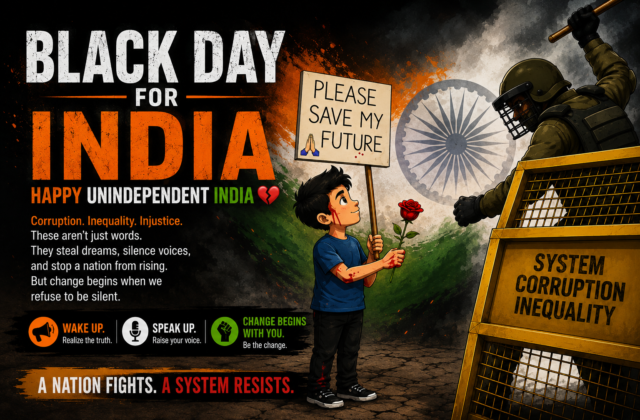
Key Highlights
- 🚨 Clashes between protesters and police near Parliament have sparked nationwide debate.
- ⚖️ The incident has renewed questions about balancing public order with the constitutional right to peaceful protest.
- 🏥 Videos of injured demonstrators and detentions intensified public scrutiny.
- 🏛️ Authorities defended their actions as necessary for maintaining security around Parliament.
- 📢 Opposition leaders and rights organizations have called for accountability and transparent review.
- 📱 Social media footage amplified the incident, making verification and context especially important.
- 🔍 The focus now shifts to whether investigations and oversight mechanisms provide clear answers.
Delhi Protest Ends in Bloodshed and Chaos: The Questions Authorities Now Have to Answer
What began as a large demonstration in Delhi on 20 July ended in scenes of chaos that quickly spread across television screens and social media. Videos showing clashes between protesters and police, damaged barricades, injured demonstrators, and heavily secured roads near Parliament triggered a nationwide debate over the limits of state power, the right to protest, and public accountability.
Supporters of the protest described the police response as excessive and said peaceful demonstrators, including students and women, were caught up in the confrontation. Police officials, meanwhile, maintained that restrictions were in place, permission had not been granted for the march, and force was used to maintain law and order after attempts were made to breach security arrangements.
With competing narratives dominating the public conversation, several important questions remain.
What Happened?
Thousands of demonstrators gathered at Jantar Mantar before attempting to move toward Parliament. Security around the Parliament complex had been significantly strengthened, with barricades, police personnel, and other security forces deployed to prevent unauthorized access.
As crowds moved forward, clashes broke out.
Videos circulating online appeared to show police using batons to disperse sections of the crowd, while protesters alleged that excessive force was used. Authorities stated that action was taken after protesters attempted to cross security barriers and violate prohibitory orders.
The exact sequence of events continues to be examined through official statements, media reporting, and eyewitness accounts.
Images That Sparked Public Outrage
Several images and videos shared widely on social media showed:
- Injured protesters receiving medical treatment.
- Demonstrators being detained by police.
- Barricades overturned or damaged.
- Security personnel forming multiple layers of protection around Parliament.
These visuals fueled intense debate, with many citizens questioning whether the force used was proportionate, while others argued that Parliament security required strict enforcement of restrictions.
The Constitutional Question
Article 19 of the Constitution of India protects the freedoms of speech and peaceful assembly, while also allowing reasonable restrictions in the interests of public order and security.
The central debate following the protest is whether the authorities struck the right balance between:
- Protecting democratic rights.
- Maintaining public order.
- Securing one of the country’s most sensitive government zones.
This question is likely to remain at the center of legal and political discussions.
Accountability: Who Is Responsible?
In a democracy, accountability operates through institutions rather than resting solely with one individual.
Depending on the issue being examined, responsibility may involve:
- Police leadership responsible for operational decisions.
- The civil administration overseeing public order.
- The elected government responsible for broader policy.
- The courts, if legal challenges are filed.
- Independent human rights bodies that review allegations of excessive force.
If there are allegations of misconduct, they are generally expected to be examined through official inquiries, judicial proceedings, or other lawful oversight mechanisms.
Why Trust in Public Institutions Matters
The protest also revived a broader public debate about confidence in institutions.
In recent years, controversies over competitive examination paper leaks, recruitment delays, and administrative failures have led many students to express frustration and demand greater transparency.
However, it is important to distinguish between documented incidents and broader claims. Different examination authorities and state agencies have been responsible for different examinations, and accountability depends on the facts of each case rather than a single overarching conclusion.
The recurring nature of such controversies has nevertheless contributed to a perception among many young people that institutional reforms are needed.
The Role of Social Media
The Delhi protest became one of the day’s most discussed topics online.
Videos from different angles spread rapidly, often without full context. Some clips appeared to show protesters being struck by police, while others showed confrontations near barricades.
This highlights the importance of relying on verified reporting and official investigations rather than isolated videos when assessing complex incidents.
Political Reactions
The incident prompted sharply different political responses.
Opposition leaders criticized the police action and demanded accountability.
Government representatives defended the security measures, arguing that restrictions around Parliament must be enforced and that law enforcement acted within its responsibilities.
Human rights organizations have also called for a transparent review of the events.
The Questions That Remain
As investigations and public debate continue, several questions deserve careful examination:
- Were all available de-escalation measures exhausted before force was used?
- Was the level of force proportionate to the situation?
- Were protesters and bystanders adequately protected?
- Were operational decisions consistent with established policing guidelines?
- Will there be an independent review of the incident where appropriate?
Answering these questions through transparent processes is essential for maintaining public confidence.
Why This Matters Beyond One Protest
Incidents involving clashes between protesters and police resonate beyond a single day because they touch on broader issues:
- Public trust in institutions.
- Protection of constitutional rights.
- Standards for policing public demonstrations.
- Accountability within democratic systems.
Regardless of political views, these are issues that affect all citizens.
Conclusion
The events at Jantar Mantar have become more than a story about one protest. They have evolved into a national conversation about policing, democratic freedoms, institutional accountability, and public trust.
As more information emerges, it will be important for any findings to be based on verified evidence rather than speculation. Transparent investigations and clear communication from authorities can help ensure that legitimate questions raised by citizens are addressed while preserving confidence in democratic institutions.
FAQs
What triggered the Delhi protest?
The protest centered on demands raised by demonstrators, who later attempted to march toward Parliament despite restrictions.
Why did clashes occur?
Police stated that security restrictions and prohibitory orders were being enforced. Protesters alleged that excessive force was used during attempts to disperse the crowd.
Will there be an investigation?
Calls have been made by opposition leaders and rights groups for a transparent review of the incident. Any formal inquiry would depend on the relevant authorities.
Why has the incident drawn national attention?
Images of injuries, detentions, and heavy police deployment sparked widespread debate about protest rights, public order, and accountability.
About TheBusinessNow
TheBusinessNow delivers global coverage of business, finance, technology, geopolitics, commodities, and economic trends. Our goal is to provide readers with original, fact-based analysis that explains how world events shape markets and investment decisions.
Watch Gold Price Live – GoldPriceNow.in
Keep reading
Related Articles
 Commodities
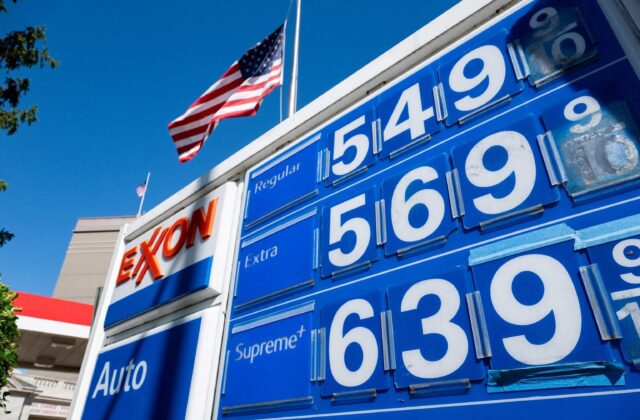
Oil Nears $95: Could the Iran War Trigger a New U.S. Inflation Shock?
Oil at $95 Is Not the Real Story A crude-oil headline is easy to write: “Oil prices rise as Iran tensions escalate.” Reuters, Bloomberg, CNBC and WSJ can publish that story within minutes. But for TheBusinessNow, that isn’t enough. The bigger question is: What happens to the American economy if oil stays near $95 —...
 Economy
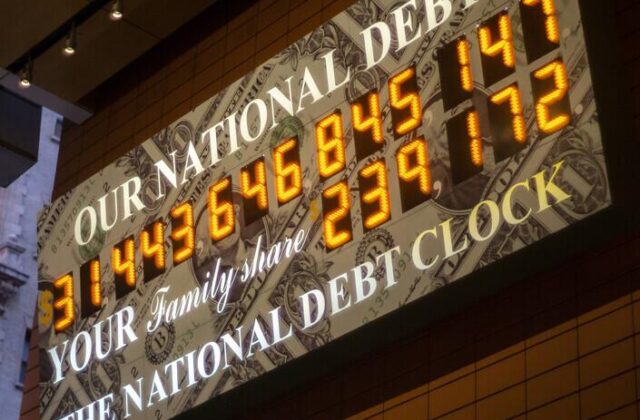
U.S. National Debt Hits $40 Trillion: Why Treasury Yields Are Rising Again
The $40 Trillion Number Is Not the Whole Story The United States has crossed a psychological and financial milestone. $40 trillion. But simply writing “America owes $40 trillion” misses the more important story. The real question for markets is: Who is willing to finance America’s growing debt — and at what interest rate? That question...
 Commodities
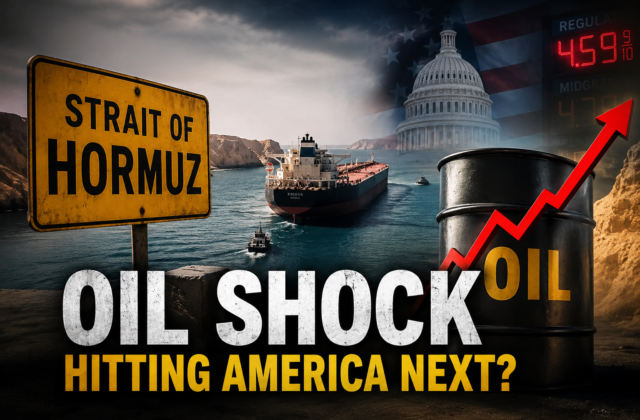
Strait of Hormuz Standoff: The Oil Shock That Could Hit the U.S. Economy Next
Strait of Hormuz Standoff: Why the Oil Market Is Getting Nervous Again The oil market is being forced to price a problem that seemed to be easing only weeks ago: the Strait of Hormuz is still not reliably functioning as a normal commercial shipping route. On August 19, Brent crude was trading around $91.20 a...
Comments (0)