
US Gulf Coast Gasoline Stocks Hit Multi-Year Low: What It Means for Fuel Prices, Oil Markets, and Inflation
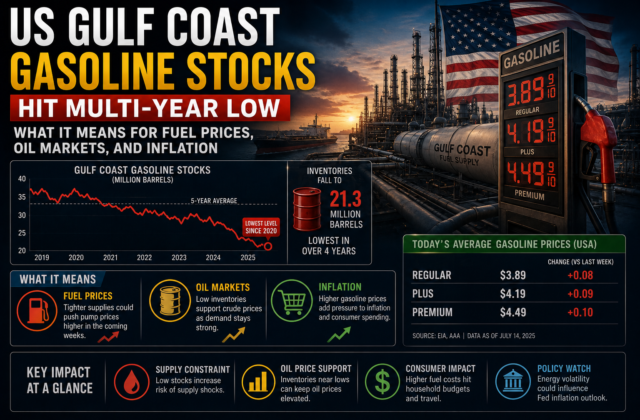
US Gulf Coast Gasoline Stocks Hit Multi-Year Low: What It Means for Fuel Prices, Oil Markets, and Inflation The US Gulf Coast gasoline stocks hit multi-year low, reaching their lowest level since September 2017, according to the latest data released by the U.S. Energy Information Administration (EIA). The sharp decline comes as global energy markets...
TheBusinessNow
Jul 15, 2026 · 2 min Read
Key Highlights
- US Gulf Coast gasoline stocks hit their lowest level since September 2017.
- The latest figures were reported by the U.S. Energy Information Administration (EIA).
- Strong summer demand continues to reduce gasoline inventories.
- Tight fuel supplies could support higher gasoline prices.
- Falling inventories may increase demand for crude oil.
- Middle East geopolitical tensions continue adding risk to global energy markets.
US Gulf Coast Gasoline Stocks Hit Multi-Year Low: What It Means for Fuel Prices, Oil Markets, and Inflation
The US Gulf Coast gasoline stocks hit multi-year low, reaching their lowest level since September 2017, according to the latest data released by the U.S. Energy Information Administration (EIA). The sharp decline comes as global energy markets continue to navigate tighter fuel supplies, robust seasonal demand, and growing geopolitical uncertainty in the Middle East.
The Gulf Coast is America’s largest refining hub and a major supplier of gasoline for both domestic consumption and exports. A significant drop in inventories from this region is closely monitored by traders because it can influence gasoline prices, refinery operations, inflation expectations, and crude oil demand.
Table of Contents
- US Gulf Coast Gasoline Stocks Hit Multi-Year Low
- Why Gulf Coast Inventories Matter
- What’s Driving the Inventory Decline?
- Impact on Gasoline Prices
- Effect on Crude Oil Markets
- Inflation Risks Remain
- What Investors Should Watch
- Frequently Asked Questions
US Gulf Coast Gasoline Stocks Hit Multi-Year Low
According to the latest EIA petroleum status report, gasoline inventories along the U.S. Gulf Coast have fallen to their lowest point since September 2017.
The decline reflects tightening fuel availability during one of the busiest travel seasons of the year while refiners continue balancing domestic demand with strong international exports.
Although refinery utilization remains relatively healthy, inventories have continued to decline as consumption stays elevated.
Why the Gulf Coast Matters
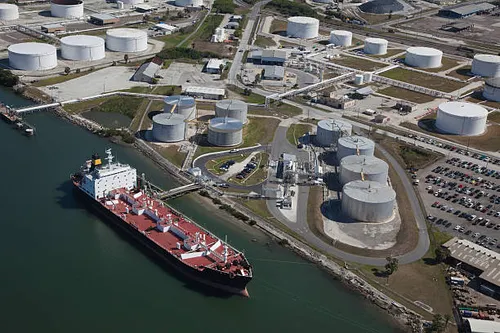
The Gulf Coast is the backbone of the U.S. petroleum industry.
The region:
- Houses the largest concentration of oil refineries in America.
- Supplies gasoline across multiple U.S. states.
- Exports refined petroleum products worldwide.
- Plays a critical role in global fuel supply chains.
Because of this importance, even modest inventory declines can significantly influence energy prices.
What’s Driving the Inventory Decline?
Several factors are contributing to the latest drop in gasoline inventories:
1. Strong Summer Fuel Demand
The U.S. summer driving season traditionally boosts gasoline consumption as millions travel for vacations and business.
2. Healthy Refinery Exports
American refiners continue shipping gasoline and refined products to international markets where demand remains strong.
3. Tight Crude Supply
Recent declines in U.S. crude inventories suggest refiners are processing available crude while overall supplies remain relatively constrained.
4. Middle East Geopolitical Risks
Growing tensions surrounding the Strait of Hormuz continue to create uncertainty over global energy supplies, encouraging traders to closely monitor inventory levels.
Impact on Gasoline Prices
Lower gasoline inventories typically create upward pressure on fuel prices.
If inventories remain near multi-year lows:
- Retail gasoline prices could increase.
- Refining margins may improve.
- Fuel distributors may experience tighter supply conditions.
- Regional price volatility could increase.
The actual price movement will depend on refinery output, crude oil costs, and overall demand.
How This Affects Crude Oil Prices
The inventory decline also supports crude oil markets.
When gasoline demand remains strong, refineries generally require additional crude oil to maintain production, increasing demand for benchmark grades such as WTI and Brent.
Combined with ongoing geopolitical risks, tighter fuel inventories could provide additional support for global oil prices.
Inflation Could Remain a Concern
Energy remains one of the most important components of inflation.
If gasoline prices continue rising because of tighter inventories:
- Transportation costs may increase.
- Logistics expenses could climb.
- Consumer prices may remain elevated.
- Central banks could stay cautious regarding interest rate cuts.
Higher fuel prices often ripple across multiple sectors of the economy.
What Investors Should Watch
Market participants will continue monitoring:
- Weekly EIA gasoline inventory reports.
- Crude oil inventory data.
- Refinery utilization rates.
- Developments in the Middle East.
- U.S. gasoline demand trends.
- Inflation reports.
- OPEC+ production decisions.
These indicators will help determine whether the inventory decline represents a temporary seasonal trend or the beginning of a longer period of tighter fuel supplies.
Market Outlook
The latest inventory data reinforces the view that the global energy market remains tight.
While increased refinery production could help rebuild gasoline stocks in the coming weeks, geopolitical uncertainty and strong seasonal demand continue to present upside risks for energy prices.
Investors are expected to remain highly sensitive to inventory data as markets balance supply fundamentals with geopolitical developments.
Frequently Asked Questions
Why are Gulf Coast gasoline inventories important?
The Gulf Coast is America’s largest refining and fuel distribution hub, making inventory levels a key indicator for gasoline supply.
Will gasoline prices increase?
Lower inventories generally support higher gasoline prices, although future movements depend on refinery output and crude oil prices.
How does this affect crude oil?
Strong gasoline demand encourages refiners to purchase more crude oil, supporting benchmark oil prices.
Can this impact inflation?
Yes. Higher gasoline prices often increase transportation and logistics costs, contributing to broader inflation.
About TheBusinessNow
TheBusinessNow delivers global coverage of business, finance, technology, geopolitics, commodities, and economic trends. Our goal is to provide readers with original, fact-based analysis that explains how world events shape markets and investment decisions.
Read More – US Crude Oil Inventories Fall More Than Expected as Iran Conflict Intensifies , U.S. Strikes Iran Over Strait of Hormuz Attacks
Calculate Live Gold Price – Gold Calculator
Keep reading
Related Articles
 Crypto
₿ Bitcoin Breaks Above $72,000: Why Trump’s Crypto Push Is Sending Crypto Stocks Higher
Bitcoin’s $72,000 Move Is Bigger Than Bitcoin A typical crypto headline would be: Bitcoin jumps above $72,000. But that misses the most important part of today’s move. The interesting part is the simultaneous rally in: Bitcoin ↓ Coinbase ↓ Strategy ↓ Circle ↓ Robinhood ↓ Bitcoin miners ↓ Crypto infrastructure That tells us investors aren’t...
 Markets
U.S. Treasury Doubles Bond Buybacks: Why Markets Are Still Worried About Rising Yields
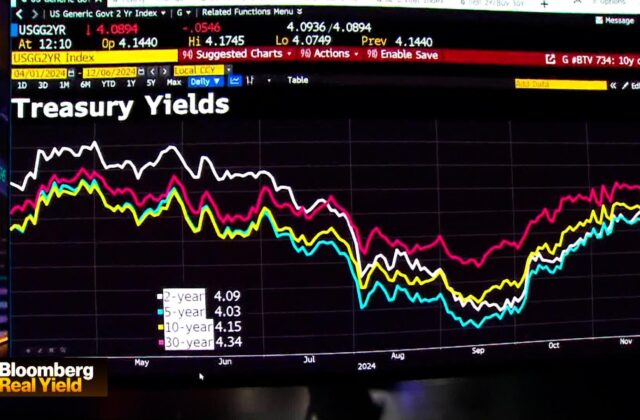
The Treasury Just Sent Two Messages to Wall Street At first glance, this looks like a straightforward market-support operation. Treasury says: We want to improve liquidity in longer-dated Treasury securities. Investors hear: Washington is increasingly concerned about the rise in long-term borrowing costs. And that second interpretation is what makes this story important. The Treasury...
 Commodities
Oil Nears $95: Could the Iran War Trigger a New U.S. Inflation Shock?
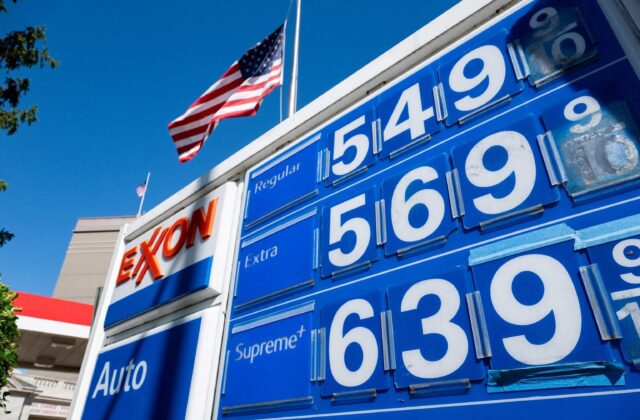
Oil at $95 Is Not the Real Story A crude-oil headline is easy to write: “Oil prices rise as Iran tensions escalate.” Reuters, Bloomberg, CNBC and WSJ can publish that story within minutes. But for TheBusinessNow, that isn’t enough. The bigger question is: What happens to the American economy if oil stays near $95 —...
Comments (0)