
How Wars Affect the S&P 500: Why Stocks Don’t Always Crash During Geopolitical Conflicts
How Wars Affect the S&P 500: Why Stocks Don’t Always Crash During Geopolitical Conflicts Whenever a major geopolitical conflict dominates global headlines, many investors expect one thing: a stock market crash. It seems logical. War creates uncertainty, threatens global trade, disrupts supply chains, and often sends oil prices higher. Yet history tells a far more...
TheBusinessNow
Jul 9, 2026 · 3 min Read
Key Highlights
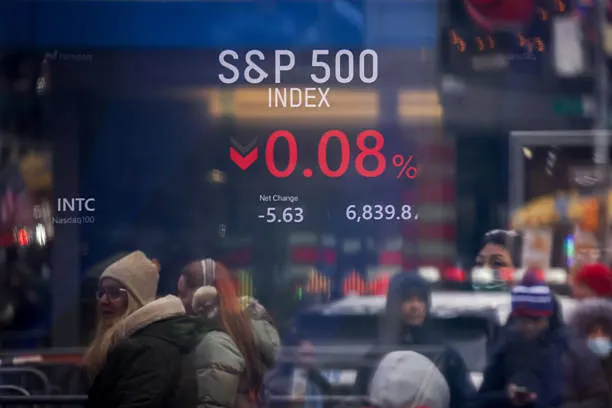
- 📈 The S&P 500 doesn't always crash during wars, as markets often focus on future economic expectations rather than current headlines.
- 🌍 Geopolitical conflicts can trigger short-term volatility, but history shows many markets recover as uncertainty declines.
- 💼 Corporate earnings, Federal Reserve policy, inflation, and oil prices often have a greater long-term impact on stock performance than geopolitical events alone.
- 🛢️ Energy prices are a key factor investors monitor during conflicts because they influence inflation and business costs.
- 📊 Long-term investors typically focus on diversification and company fundamentals instead of reacting to every headline.
- ⚠️ Historical market patterns provide useful context but do not guarantee future results, as every conflict has unique economic consequences.
How Wars Affect the S&P 500: Why Stocks Don’t Always Crash During Geopolitical Conflicts
Whenever a major geopolitical conflict dominates global headlines, many investors expect one thing: a stock market crash.
It seems logical. War creates uncertainty, threatens global trade, disrupts supply chains, and often sends oil prices higher. Yet history tells a far more surprising story.
Despite wars, military conflicts, and geopolitical crises over the past several decades, the S&P 500 has often recovered quickly—and in many cases continued climbing even while conflicts were ongoing.
So why doesn’t Wall Street always panic?
The answer lies in how financial markets work. Investors don’t simply react to today’s headlines—they constantly price in expectations about tomorrow.
Understanding this can help explain why markets sometimes appear disconnected from the news.
Why Investors Expect Stocks to Fall During War
War introduces risks that can affect nearly every part of the global economy.
These include:
- Rising oil and energy prices
- Supply chain disruptions
- Increased government spending
- Inflationary pressure
- Currency volatility
- Lower consumer confidence
- Business uncertainty
Because of these risks, investors often expect major stock indexes such as the S&P 500, Dow Jones Industrial Average, and Nasdaq Composite to fall sharply whenever conflicts begin.
And sometimes they do.
Markets frequently experience a short-term sell-off immediately after unexpected geopolitical events.
But that’s usually only part of the story.
Wall Street Doesn’t Trade Today’s News—It Trades Tomorrow’s Expectations
One of the biggest misconceptions among new investors is believing the stock market reflects current events.
In reality, markets are forward-looking.
Professional investors constantly ask questions such as:
- Will the conflict spread?
- Will it damage corporate earnings?
- Will the Federal Reserve change interest rates?
- Will oil prices remain elevated?
- Will consumers continue spending?
If the expected economic damage appears limited, markets may stabilize much faster than many people expect.
This explains why stock prices sometimes recover even while wars continue.
What History Tells Us About the S&P 500 During Wars
Although every conflict is unique, historical data shows that markets often experience three phases.
Phase 1: Fear
Unexpected military action usually causes an initial decline.
Investors sell risky assets while seeking safer investments such as U.S. Treasury bonds, gold, or the U.S. dollar.
This phase is often driven more by uncertainty than by economic fundamentals.
Phase 2: Information
As more information becomes available, investors begin assessing the true economic impact.
Questions become more practical:
- Is global trade affected?
- Are major economies slowing?
- Will company profits decline?
If the answers appear less severe than originally feared, confidence gradually returns.
Phase 3: Recovery
Once uncertainty decreases, markets often recover.
History has repeatedly shown that investors prefer certainty—even when the news itself isn’t positive.
Knowing the likely outcome of a conflict often reduces volatility.
Why Corporate Earnings Matter More Than Headlines
One of the biggest drivers of the S&P 500 isn’t politics.
It’s earnings.
Public companies are valued based largely on future profits.
If businesses continue generating strong revenue and earnings despite geopolitical tensions, investors often remain confident.
Technology companies, healthcare firms, financial institutions, and consumer brands collectively represent a large portion of the S&P 500.
Unless conflict significantly affects their profitability, the overall index may remain resilient.
The Federal Reserve Can Be More Important Than War
Another reason markets don’t always collapse is monetary policy.
Interest rates influence:
- Business investment
- Consumer borrowing
- Mortgage costs
- Corporate valuations
Even during geopolitical crises, investors continue focusing on:
- Federal Reserve meetings
- Inflation reports
- Employment data
- GDP growth
Sometimes these economic factors have a much greater influence on stock prices than international conflicts.
Oil Prices Are One of the Biggest Wild Cards
Wars involving major energy-producing regions often cause oil prices to rise.
Higher energy costs can increase:
- Transportation expenses
- Manufacturing costs
- Airline operating expenses
- Consumer prices
If oil prices remain elevated for an extended period, inflation may rise, creating additional pressure on businesses and consumers.
However, markets also consider whether supply disruptions are likely to be temporary or long-lasting.
Which Sectors Historically Perform Better During Geopolitical Tensions?
Not every industry reacts the same way.
Some sectors have historically shown greater resilience during periods of uncertainty.
Defense
Increased military spending can benefit defense contractors.
Energy
Higher oil prices may improve earnings for some energy companies.
Utilities
Utility companies often experience relatively stable demand regardless of economic conditions.
Consumer Staples
People continue buying essential goods even during uncertain times.
Meanwhile, sectors more dependent on discretionary spending or global trade may face greater challenges.
Why Long-Term Investors Often Stay Calm
Many experienced investors avoid making major portfolio changes based solely on geopolitical headlines.
Instead, they focus on:
- Diversification
- Long-term earnings growth
- Company fundamentals
- Economic trends
History suggests that emotional investment decisions made during periods of fear often lead to poorer long-term outcomes.
That doesn’t mean markets are immune to conflict—but it does highlight the importance of maintaining perspective.
Lessons From Previous Market Cycles
Looking back over decades of market history reveals several recurring themes.
Markets often:
- Decline sharply after unexpected geopolitical events.
- Recover once uncertainty begins to fade.
- Refocus on economic fundamentals such as earnings, inflation, and interest rates.
- Reward companies with strong balance sheets and consistent profitability.
These patterns do not guarantee future results, but they provide valuable context for understanding market behavior.
What Should Investors Watch During Future Conflicts?
Rather than reacting to headlines alone, many analysts monitor several key indicators:
- Corporate earnings reports
- Oil prices
- Inflation data
- Federal Reserve decisions
- Consumer spending trends
- Global supply chains
- Bond market movements
- Currency markets
These factors often provide a clearer picture of how markets may respond over time than individual news events.
Final Thoughts
Wars and geopolitical conflicts create uncertainty, and uncertainty can lead to market volatility.
However, history shows that the S&P 500 does not always experience prolonged declines during these periods.
Investors weigh far more than headlines. They consider corporate earnings, interest rates, economic growth, inflation, energy markets, and future expectations.
This helps explain why markets sometimes recover long before geopolitical tensions are resolved.
For long-term investors, understanding this distinction is essential. While every conflict is different and no historical pattern guarantees future performance, looking beyond the immediate headlines can provide a more balanced perspective on how financial markets respond to global events.
Frequently Asked Questions (FAQ)
Do stocks always fall during wars?
No. While markets often decline initially because of uncertainty, historical examples show that many recover as investors assess the long-term economic impact.
Why doesn’t the S&P 500 always crash during geopolitical conflicts?
The S&P 500 reflects expectations about future corporate earnings and economic conditions. If investors believe the long-term impact will be limited, stocks may stabilize or recover.
Which sectors can perform well during wars?
Historically, defense, energy, utilities, and consumer staples have often shown resilience during periods of geopolitical uncertainty, although performance varies by conflict.
Should investors sell stocks during a war?
Investment decisions depend on individual goals, risk tolerance, and financial circumstances. Historical market behavior alone should not be used as the basis for investment decisions.
Why do markets recover before wars end?
Financial markets are forward-looking. Investors often begin pricing in expected future conditions before geopolitical events are fully resolved.
About TheBusinessNow
TheBusinessNow delivers global coverage of business, finance, technology, geopolitics, commodities, and economic trends. Our goal is to provide readers with original, fact-based analysis that explains how world events shape markets and investment decisions.
Keep reading
Related Articles
 Business
Nike Stock Down 35%: China Crisis Deepens — Is NKE a Bargain or a Dangerous Value Trap?
Nike Stock Is Falling — But Is This Finally the Buying Opportunity Investors Have Been Waiting For? Nike (NYSE: NKE) is facing a problem that goes far beyond a weak quarter. The world’s most recognizable sportswear brand is trying to rebuild growth while dealing with declining sales in China, weaker direct-to-consumer revenue, intense competition and...
 Business
Jamie Dimon Warns UK Against Bank Tax Hike: Could Higher Taxes Push Finance Jobs and Investment Abroad?
Jamie Dimon Warns UK Chancellor Against Higher Bank Taxes JPMorgan Chase CEO Jamie Dimon has issued a fresh warning to the UK’s new Chancellor, John Healey, over proposals to increase taxes on banks, arguing that a less competitive tax environment could ultimately push financial jobs and investment away from Britain. Dimon’s intervention comes ahead of...
 Business
AI Leverage Warning: The Same Big Tech Stocks Are Powering a Growing Market of Leveraged ETFs
AI Leverage Warning: The Same Big Tech Stocks Are Powering a Growing Market of Leveraged ETFs AI stocks have become more than a dominant force in the equity market—they are increasingly sitting underneath leveraged exchange-traded products that can magnify daily gains and losses. That concentration is creating a new source of market sensitivity: when the...
Comments (0)