
Federal Reserve 2% Inflation Goal: Kevin Warsh Reaffirms Fed’s Inflation Fight as Markets Watch Interest Rates
Federal Reserve 2% Inflation Goal: Kevin Warsh Reaffirms Commitment as Markets Watch Interest Rates The Federal Reserve 2% Inflation Goal remained the central focus of Fed Chair Kevin Warsh’s testimony before the House Financial Services Committee on Tuesday. During his appearance before lawmakers, Warsh emphasized that the Federal Reserve remains fully committed to restoring price...
TheBusinessNow
Jul 14, 2026 · 4 min Read
Key Highlights
- Federal Reserve 2% Inflation Goal remains unchanged despite easing inflation.
- Kevin Warsh reaffirmed the Fed's commitment to restoring price stability.
- June CPI cooled to 3.5%, but inflation remains above target.
- Interest-rate decisions will continue to depend on incoming economic data.
- Rising oil prices could complicate inflation progress.
- AI investment was highlighted as a major driver of economic growth.
- Investors are closely watching future inflation reports and Fed meetings.
Federal Reserve 2% Inflation Goal: Kevin Warsh Reaffirms Commitment as Markets Watch Interest Rates
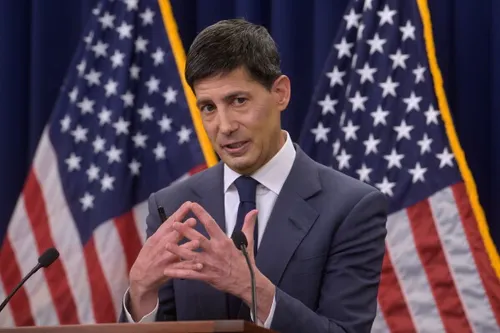
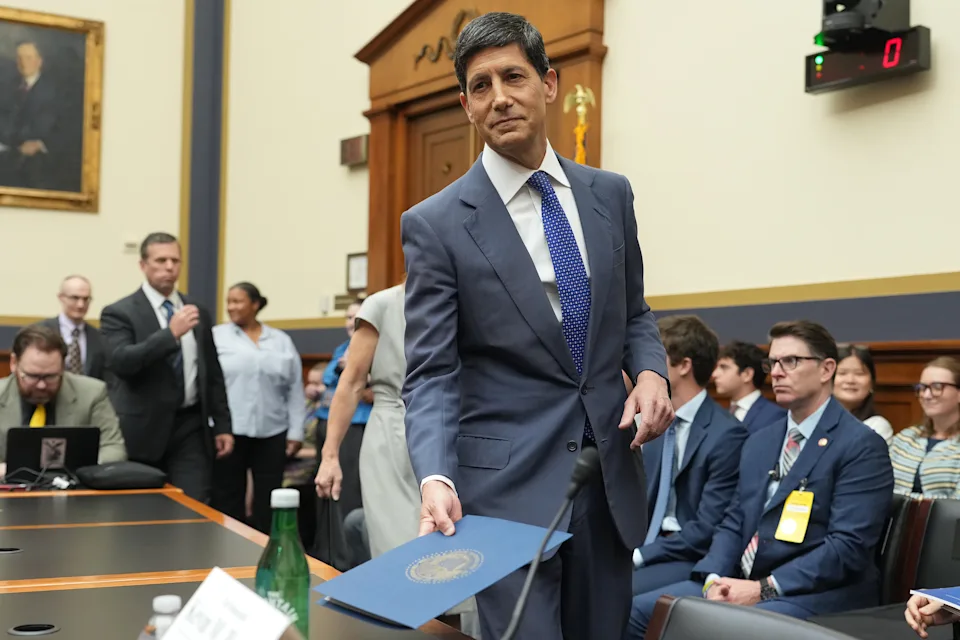
The Federal Reserve 2% Inflation Goal remained the central focus of Fed Chair Kevin Warsh’s testimony before the House Financial Services Committee on Tuesday. During his appearance before lawmakers, Warsh emphasized that the Federal Reserve remains fully committed to restoring price stability and has “no tolerance for persistently elevated inflation.”
The renewed commitment to the Federal Reserve 2% Inflation Goal comes after fresh inflation data showed consumer prices cooled in June, while investors continue debating when the Fed could eventually begin lowering interest rates. Although inflation has moderated, Warsh indicated that policymakers will continue relying on economic data rather than political pressure when making future decisions.
Federal Reserve 2% Inflation Goal: What Kevin Warsh Told Congress
During his opening remarks, Warsh made it clear that controlling inflation remains the Federal Reserve’s highest priority.
Key statements from Warsh included:
- “We are committed to the 2% inflation goal.”
- The Fed has no tolerance for persistently elevated inflation.
- Monetary policy decisions will follow economic data, not political pressure.
- Price stability remains essential for long-term economic growth.
- The Fed will continue monitoring inflation, employment, and broader economic conditions.
His testimony reinforced that the Federal Reserve is not yet ready to declare victory over inflation despite recent improvements.
Why the Federal Reserve 2% Inflation Goal Matters for Investors
The Federal Reserve 2% Inflation Goal influences nearly every financial market.
When inflation remains above target:
- Interest rates generally stay higher.
- Mortgage borrowing costs increase.
- Business financing becomes more expensive.
- Consumer spending may slow.
- Stock market volatility often rises.
Conversely, inflation moving closer to 2% may eventually allow the Federal Reserve to consider easing monetary policy, depending on broader economic conditions.
Federal Reserve 2% Inflation Goal and June Inflation Data
Warsh’s testimony followed the release of June’s Consumer Price Index (CPI) report, which showed inflation cooled more than many economists expected.
Latest Inflation Snapshot
| Indicator | Latest Reading |
|---|---|
| CPI Year-over-Year | 3.5% |
| Monthly Change | -0.4 percentage points |
| Fed Inflation Target | 2.0% |
| Policy Rate Decision | Held Steady |
Although inflation has eased, it remains well above the Federal Reserve’s long-term target, explaining why policymakers continue taking a cautious approach.
How the Federal Reserve 2% Inflation Goal Could Affect Interest Rates
The Federal Reserve 2% Inflation Goal remains the primary factor influencing future interest-rate decisions.
Warsh avoided providing explicit forward guidance but indicated that the Federal Reserve will continue evaluating:
- Inflation trends.
- Employment data.
- Consumer spending.
- Housing market conditions.
- Financial market stability.
Several Fed officials have also suggested that additional policy tightening cannot be ruled out if inflation proves more persistent than expected.
Federal Reserve 2% Inflation Goal Faces New Energy Risks
Another important issue discussed during the hearing was rising geopolitical risk.
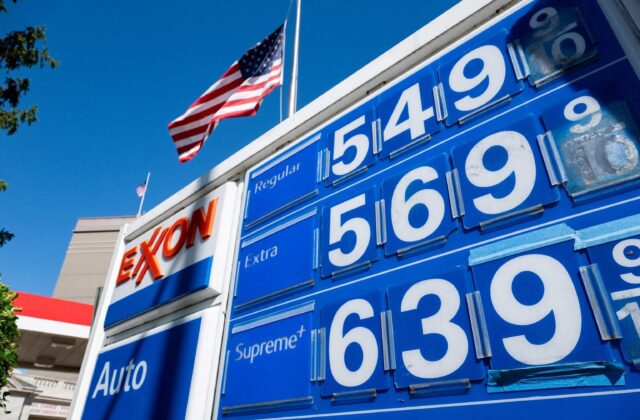
President Donald Trump’s recent announcement regarding the Strait of Hormuz and proposed shipping restrictions has contributed to a sharp increase in global crude oil prices.
Higher energy costs could:
- Increase transportation expenses.
- Push fuel prices higher.
- Raise manufacturing costs.
- Slow progress toward lower inflation.
If energy prices continue climbing, achieving the Federal Reserve 2% Inflation Goal could become more challenging during the coming months.
Federal Reserve 2% Inflation Goal and Artificial Intelligence
Warsh also described artificial intelligence as one of the strongest drivers of today’s economy.
According to the Fed Chair:
- AI investment continues accelerating.
- Productivity gains could support long-term economic growth.
- The full economic impact remains uncertain.
Many economists believe AI-driven productivity improvements could eventually help reduce inflationary pressures by increasing efficiency across industries.
What the Federal Reserve 2% Inflation Goal Means for Stocks, Gold, and the Dollar
The Federal Reserve 2% Inflation Goal has direct implications across financial markets.
Stocks
Higher interest rates may pressure growth stocks, while stronger economic fundamentals could support corporate earnings.
Gold
Gold typically benefits when investors expect inflation to remain elevated or geopolitical uncertainty increases.
U.S. Dollar
A cautious Federal Reserve generally supports the U.S. dollar, particularly if interest rates remain relatively high compared with other major economies.
Bonds
Treasury yields may remain elevated until inflation moves closer to the Fed’s long-term target.
What Investors Should Watch After the Federal Reserve 2% Inflation Goal Testimony
Following the Federal Reserve 2% Inflation Goal testimony, investors should closely monitor:
- Future CPI inflation reports.
- Core inflation readings.
- Employment data.
- Retail sales.
- Housing market trends.
- Crude oil prices.
- Federal Reserve policy meetings.
- Comments from other Fed officials.
These indicators will help determine whether inflation continues moving toward the Fed’s target.
Final Thoughts on the Federal Reserve 2% Inflation Goal
The Federal Reserve 2% Inflation Goal remains firmly at the center of U.S. monetary policy. Kevin Warsh’s testimony reinforced that the Federal Reserve will prioritize price stability even as inflation shows encouraging signs of moderation.
Although June’s inflation data offered positive news, policymakers continue viewing inflation risks, energy prices, and geopolitical developments with caution. For investors, the Federal Reserve 2% Inflation Goal will remain one of the most important drivers of interest rates, stock market performance, bond yields, and broader economic conditions throughout 2026.
Frequently Asked Questions
What is the Federal Reserve 2% Inflation Goal?
The Federal Reserve 2% Inflation Goal is the central bank’s long-term target for annual inflation, designed to promote stable prices and sustainable economic growth.
Why did Kevin Warsh emphasize the Federal Reserve 2% Inflation Goal?
Warsh said the Federal Reserve remains committed to reducing inflation and making policy decisions based on economic data rather than political pressure.
How does the Federal Reserve 2% Inflation Goal affect interest rates?
If inflation stays above 2%, the Federal Reserve may keep interest rates higher for longer to slow price increases.
Can energy prices delay the Federal Reserve 2% Inflation Goal?
Yes. Rising oil prices can increase transportation and production costs, making it more difficult to bring inflation back to 2%.
What should investors watch after the Federal Reserve 2% Inflation Goal testimony?
Investors should monitor inflation reports, employment data, oil prices, Federal Reserve meetings, and comments from policymakers.
About TheBusinessNow
TheBusinessNow delivers global coverage of business, finance, technology, geopolitics, commodities, and economic trends. Our goal is to provide readers with original, fact-based analysis that explains how world events shape markets and investment decisions.
Read More – US CPI Inflation Falls More Than Expected , Why Oil Markets, Global Shipping, and Energy Prices Could Change After Trump’s Latest Remarks
Keep reading
Related Articles
 Commodities
Oil Nears $95: Could the Iran War Trigger a New U.S. Inflation Shock?
Oil at $95 Is Not the Real Story A crude-oil headline is easy to write: “Oil prices rise as Iran tensions escalate.” Reuters, Bloomberg, CNBC and WSJ can publish that story within minutes. But for TheBusinessNow, that isn’t enough. The bigger question is: What happens to the American economy if oil stays near $95 —...
 Finance
Walmart Stock Plunges 6%: What Its Weak Outlook Says About the U.S. Consumer
Walmart Stock Plunges 6% — But the Earnings Were Not Actually Bad This is where the headline can be misleading. Walmart did not report a disastrous quarter. Quite the opposite. Revenue rose 5.9%, operating income increased 28.8%, e-commerce remained extremely strong and Walmart raised its full-year sales and profit expectations. Yet investors immediately sold the...
 Economy
U.S. National Debt Hits $40 Trillion: Why Treasury Yields Are Rising Again
The $40 Trillion Number Is Not the Whole Story The United States has crossed a psychological and financial milestone. $40 trillion. But simply writing “America owes $40 trillion” misses the more important story. The real question for markets is: Who is willing to finance America’s growing debt — and at what interest rate? That question...
Comments (0)