
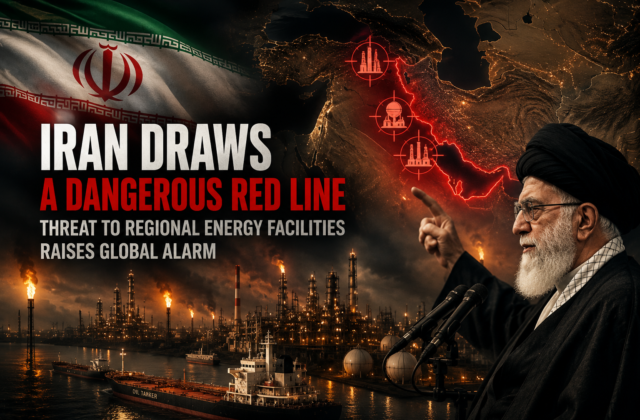
Iran Draws a Dangerous Red Line: Threat to Regional Energy Facilities Raises Global Alarm
Iran Draws a Dangerous Red Line: Threat to Regional Energy Facilities Raises Global Alarm The Middle East has entered another period of heightened uncertainty after Iranian officials, through statements reported by semi-official media, warned that if Iran’s energy infrastructure is attacked, energy facilities linked to the United States and its regional partners could become targets...
TheBusinessNow
Jul 22, 2026 · 4 min Read
Key Highlights
- 🌍 Iran has issued a warning that regional energy infrastructure could become a target if its own facilities are attacked.
- 🛢️ The warning has renewed concerns over the security of Gulf oil and gas infrastructure, a cornerstone of global energy supply.
- 🚢 The Strait of Hormuz remains one of the world's most important maritime chokepoints, making developments in the region closely watched by governments and markets.
- 📈 Energy traders and investors are monitoring the situation for potential impacts on oil prices, shipping costs, and inflation expectations.
- ⚠️ Regional tensions have intensified diplomatic and military attention, although no wider conflict has been officially confirmed.
- 💰 Any disruption to Gulf energy exports could have ripple effects across global supply chains, fuel prices, and financial markets.
- 🌐 Governments continue to emphasize both deterrence and diplomacy as they seek to prevent further escalation.
Iran Draws a Dangerous Red Line: Threat to Regional Energy Facilities Raises Global Alarm
The Middle East has entered another period of heightened uncertainty after Iranian officials, through statements reported by semi-official media, warned that if Iran’s energy infrastructure is attacked, energy facilities linked to the United States and its regional partners could become targets for retaliation. The warnings come amid an already tense security environment involving shipping routes, energy infrastructure, and military deployments.
While these statements do not mean attacks are imminent, they have increased concerns among governments, investors, and energy markets because the Gulf region remains one of the world’s most critical suppliers of oil and natural gas.
What Has Been Reported?
According to Iran’s semi-official Tasnim News Agency, officials warned that if Iranian energy infrastructure is attacked, facilities in the region associated with American interests could be considered legitimate military targets. Similar warnings have also been reported by other regional and international outlets.
These reports should be understood in the context of ongoing regional tensions. They reflect reported warnings and public messaging rather than confirmation that attacks have been ordered or will occur.
Why Energy Infrastructure Is So Important
Unlike many previous confrontations, the latest rhetoric focuses heavily on oil, gas, refineries, and export terminals.
The Gulf hosts some of the world’s largest energy facilities, including:
- Major Saudi oil processing facilities
- Qatar’s LNG export infrastructure
- UAE gas processing plants
- Petrochemical complexes serving global markets
Because a large share of the world’s energy exports originate in or transit through this region, any disruption could have consequences well beyond the Middle East.
Why Markets Are Watching So Closely
Energy markets often react before physical disruptions occur.
Even the possibility of attacks on critical infrastructure can influence:
- Brent crude oil prices
- LNG prices
- Shipping insurance premiums
- Freight costs
- Airline fuel expenses
- Inflation expectations
The International Energy Agency has warned that renewed instability affecting key energy routes could increase risks to global energy security.
The Strait of Hormuz: The World’s Most Sensitive Energy Chokepoint
Much of the world’s seaborne oil trade passes through the Strait of Hormuz.
Because of this:
- Any security incident quickly attracts global attention.
- Shipping companies may reassess routes.
- Insurance costs can rise.
- Financial markets often become more volatile.
US officials have also emphasized the strategic importance of keeping international waterways open.
Could This Affect the Global Economy?
Analysts note that the consequences of prolonged instability could extend far beyond the region.
Possible economic effects include:
- Higher fuel prices
- Increased transportation costs
- Pressure on global inflation
- Supply-chain disruptions
- Greater market volatility
These outcomes are potential risks, not confirmed developments.
What Governments Are Likely Watching
Several indicators will shape the next phase:
| Indicator | Why It Matters |
|---|---|
| Official US statements | Clarify policy and response |
| Iranian government announcements | Signal future intentions |
| Shipping activity | Indicates commercial confidence |
| Oil price movements | Reflect market expectations |
| Diplomatic initiatives | Could reduce escalation risks |
Could Diplomacy Still Prevail?
Despite the heightened rhetoric, diplomacy remains active.
Governments across the region and beyond generally seek to prevent disruption to international trade and energy supplies. Public warnings can serve multiple purposes, including deterrence and signaling, and do not necessarily indicate that military action is imminent.
Final Analysis
Iran’s latest warning has once again highlighted how closely geopolitical security and the global economy are connected.
The reports underscore the strategic importance of Gulf energy infrastructure and the Strait of Hormuz, where even heightened rhetoric can influence investor sentiment and market expectations. At present, the warnings represent a serious escalation in language, but not confirmation of future attacks.
For businesses, policymakers, and investors, the focus will remain on official announcements, maritime security developments, and diplomatic efforts to reduce tensions. In a region that supplies a significant share of the world’s energy, stability remains critical not only for the Middle East but for the global economy as a whole.
❓FAQs
1. Why is Iran warning about regional energy facilities?
According to reports, Iranian officials warned that if Iran’s own energy infrastructure is attacked, regional energy facilities linked to its adversaries could also become targets. The statements are part of broader regional tensions and do not by themselves confirm future military action.
2. Why are global markets reacting to this news?
Energy markets closely monitor geopolitical risks in the Middle East because the region supplies a significant share of the world’s crude oil and liquefied natural gas. Even the possibility of disruption can influence oil prices and investor sentiment.
3. Which countries could be affected?
Any escalation involving Gulf energy infrastructure could have implications for countries with major oil and gas facilities in the region, as well as nations that rely on energy imports from the Middle East.
4. What is the Strait of Hormuz, and why is it important?
The Strait of Hormuz is one of the world’s busiest energy shipping routes. A substantial portion of global seaborne oil exports passes through this narrow waterway, making it strategically vital to international trade.
5. Could this trigger a global energy crisis?
There is no confirmation that a global energy crisis is imminent. However, analysts note that prolonged disruption to Gulf energy infrastructure or shipping could increase energy prices and create broader economic pressures.
6. How could this affect oil prices?
Heightened geopolitical tensions often lead to increased volatility in crude oil markets. Actual price movements depend on whether physical supply is disrupted and how governments and producers respond.
7. What should investors watch next?
Investors are monitoring:
- 🛢️ Oil price movements
- 🚢 Shipping activity in the Gulf
- 🌍 Official statements from governments
- 📊 Financial market volatility
- 🤝 Diplomatic efforts to reduce tensions
8. Has any attack on regional energy facilities been confirmed?
No. At the time of publication, the reports concern warnings and statements rather than confirmed attacks on regional energy infrastructure.
Keep reading
Related Articles
 Commodities
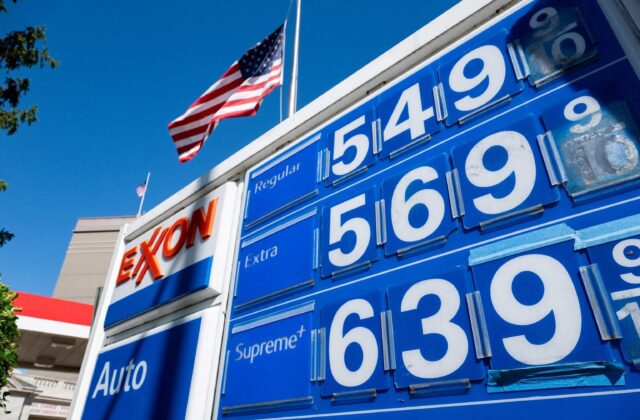
Oil Nears $95: Could the Iran War Trigger a New U.S. Inflation Shock?
Oil at $95 Is Not the Real Story A crude-oil headline is easy to write: “Oil prices rise as Iran tensions escalate.” Reuters, Bloomberg, CNBC and WSJ can publish that story within minutes. But for TheBusinessNow, that isn’t enough. The bigger question is: What happens to the American economy if oil stays near $95 —...
 Economy
U.S. National Debt Hits $40 Trillion: Why Treasury Yields Are Rising Again
The $40 Trillion Number Is Not the Whole Story The United States has crossed a psychological and financial milestone. $40 trillion. But simply writing “America owes $40 trillion” misses the more important story. The real question for markets is: Who is willing to finance America’s growing debt — and at what interest rate? That question...
 Commodities
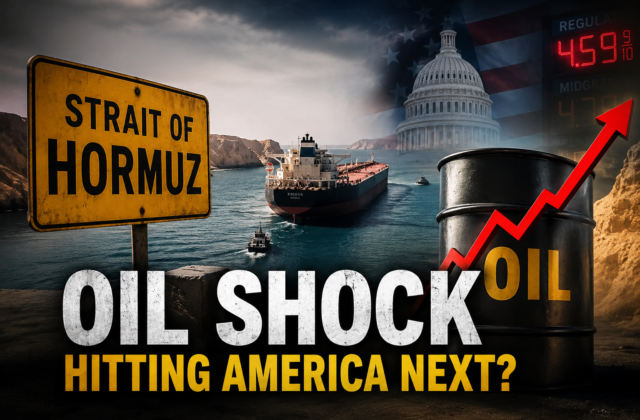
Strait of Hormuz Standoff: The Oil Shock That Could Hit the U.S. Economy Next
Strait of Hormuz Standoff: Why the Oil Market Is Getting Nervous Again The oil market is being forced to price a problem that seemed to be easing only weeks ago: the Strait of Hormuz is still not reliably functioning as a normal commercial shipping route. On August 19, Brent crude was trading around $91.20 a...
Comments (0)