
US-Iran Tensions Escalate After Military Strikes: Global Markets Brace for Rising Geopolitical Risk
US-Iran Tensions Rise, Increasing Pressure on Global Financial Markets Fresh military developments involving the United States and Iran have once again drawn global attention to the Middle East, a region that remains critical to international energy supplies and geopolitical stability. As reports of military operations and heightened security concerns emerge, investors are closely watching how...
Rodger
Jul 8, 2026 · 9 min Read
Key Highlights
- Rising tensions between the United States and Iran have put global markets on edge. Here's how the latest military developments could affect oil, gold, stocks, and the global economy.
US-Iran Tensions Rise, Increasing Pressure on Global Financial Markets
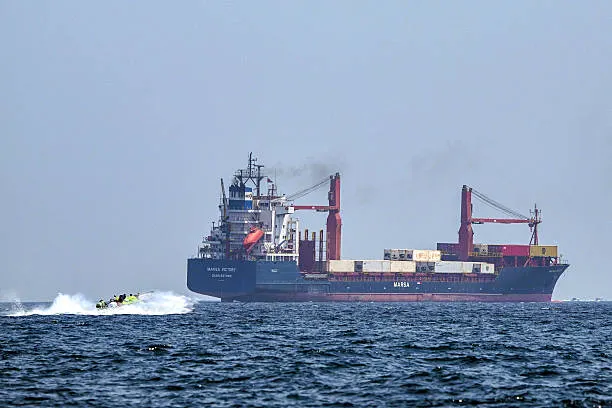
Fresh military developments involving the United States and Iran have once again drawn global attention to the Middle East, a region that remains critical to international energy supplies and geopolitical stability.
As reports of military operations and heightened security concerns emerge, investors are closely watching how the situation could influence oil prices, gold, currencies, global stock markets, and inflation.
Although governments continue diplomatic discussions, financial markets have already begun pricing in the possibility of increased geopolitical uncertainty.
Why the Middle East Matters to Global Markets
The Middle East plays a vital role in the global economy.
The region produces a significant share of the world’s crude oil while serving as an important route for international energy transportation.
Whenever geopolitical tensions increase, investors immediately begin evaluating the possible impact on:
- Global oil supplies
- Shipping routes
- Inflation
- Central bank policies
- Currency markets
- Investor confidence
Even if energy production remains uninterrupted, uncertainty alone can create volatility across financial markets.
Why Investors Are Paying Close Attention
Periods of military tension often increase demand for safe-haven assets while reducing appetite for riskier investments.
Institutional investors typically monitor several indicators:
- Crude Oil Prices
- Gold (XAU/USD)
- US Dollar Index (DXY)
- Treasury Yields
- Global Equity Markets
- Currency Volatility
Rapid changes in these markets often reflect shifting expectations about the global economic outlook.
Could Oil Prices Rise?
Oil remains one of the markets most sensitive to geopolitical events.
If tensions disrupt production or transportation, crude prices could move higher.
Higher oil prices may result in:
- Increased fuel costs
- Rising transportation expenses
- Higher manufacturing costs
- Inflationary pressure
- Slower economic growth
Countries that import large quantities of crude oil, including India, Japan, and many European economies, could experience higher import costs if prices remain elevated.
Gold May Benefit From Safe-Haven Demand
Gold often attracts investors during periods of geopolitical uncertainty.
When financial markets become volatile, investors frequently increase exposure to precious metals to reduce portfolio risk.
If tensions continue to rise, analysts believe gold could receive support from:
- Safe-haven buying
- Inflation concerns
- Increased market uncertainty
- Weakening investor confidence
However, gold prices will also depend on interest rates and movements in the US dollar.
How the US Dollar Could React
The US dollar is traditionally considered one of the world’s leading reserve currencies.
During periods of uncertainty, investors often shift capital toward dollar-denominated assets.
If geopolitical risks increase:
- USD may strengthen
- Treasury bonds could attract demand
- Emerging market currencies may face pressure
However, if the conflict significantly affects the US economy, market reactions could become more complex.
Stock Markets May Experience Higher Volatility
Global equity markets generally dislike uncertainty.
Sectors that could remain under pressure include:
- Airlines
- Tourism
- Manufacturing
- Consumer Goods
At the same time, some industries could benefit from higher government spending or increased commodity prices.
These include:
- Defense Companies
- Energy Producers
- Oil Exploration Firms
- Cybersecurity Companies
Impact on India
India imports a large share of its crude oil requirements.
A sustained rise in oil prices could increase:
- Inflation
- Import costs
- Fiscal pressure
- Fuel prices
Higher energy costs may also influence corporate earnings in sectors heavily dependent on transportation and logistics.
Indian equity markets could therefore remain sensitive to developments in the Middle East.
What Central Banks May Watch
Central banks worldwide will continue monitoring:
- Energy prices
- Inflation trends
- Supply chain disruptions
- Currency stability
- Global growth expectations
If higher oil prices contribute to persistent inflation, policymakers could reassess future interest-rate decisions.
Possible Market Scenarios
Scenario 1: Tensions Ease
If diplomatic efforts succeed and military activity declines:
- Oil prices may stabilize
- Gold could give back some gains
- Stock markets may recover
- Investor confidence may improve
Scenario 2: Tensions Escalate
If the conflict expands:
- Oil prices could move higher
- Gold may strengthen
- Equity markets may remain volatile
- Safe-haven assets could outperform
- Emerging markets may face additional pressure
What Investors Should Watch
In the coming days, market participants are likely to monitor:
- Official government statements
- Diplomatic negotiations
- Oil supply updates
- Shipping activity in the region
- Central bank commentary
- Global market sentiment
These factors will help determine whether current volatility remains temporary or develops into a broader economic concern.
Final Thoughts
Renewed geopolitical tensions involving the United States and Iran have once again reminded investors how closely financial markets are linked to global events.
Although it is too early to predict the long-term outcome, uncertainty alone can influence oil prices, gold, currencies, and stock markets around the world.
For investors, maintaining a diversified portfolio, managing risk carefully, and focusing on long-term fundamentals remain essential during periods of heightened geopolitical uncertainty.
Frequently Asked Questions
Why do US-Iran tensions affect financial markets?
The Middle East is a major global energy-producing region. Geopolitical tensions can influence oil prices, inflation, and investor confidence, leading to volatility across financial markets.
Will oil prices increase?
Oil prices may rise if markets expect disruptions to supply or transportation, though the actual impact depends on how the situation develops.
Why does gold often rise during geopolitical tensions?
Gold is widely viewed as a safe-haven asset. Investors often buy gold during periods of uncertainty to help preserve value.
Could this affect India’s economy?
India imports a significant portion of its crude oil. Sustained increases in oil prices could contribute to higher import costs and inflation.
About TheBusinessNow
TheBusinessNow delivers global coverage of business, finance, technology, geopolitics, commodities, and economic trends. Our goal is to provide readers with original, fact-based analysis that explains how world events shape markets and investment decisions.
Keep reading
Related Articles
 Commodities
Oil Nears $95: Could the Iran War Trigger a New U.S. Inflation Shock?
Oil at $95 Is Not the Real Story A crude-oil headline is easy to write: “Oil prices rise as Iran tensions escalate.” Reuters, Bloomberg, CNBC and WSJ can publish that story within minutes. But for TheBusinessNow, that isn’t enough. The bigger question is: What happens to the American economy if oil stays near $95 —...
 Economy
U.S. National Debt Hits $40 Trillion: Why Treasury Yields Are Rising Again
The $40 Trillion Number Is Not the Whole Story The United States has crossed a psychological and financial milestone. $40 trillion. But simply writing “America owes $40 trillion” misses the more important story. The real question for markets is: Who is willing to finance America’s growing debt — and at what interest rate? That question...
 Commodities
Strait of Hormuz Standoff: The Oil Shock That Could Hit the U.S. Economy Next
Strait of Hormuz Standoff: Why the Oil Market Is Getting Nervous Again The oil market is being forced to price a problem that seemed to be easing only weeks ago: the Strait of Hormuz is still not reliably functioning as a normal commercial shipping route. On August 19, Brent crude was trading around $91.20 a...
Comments (0)