
US-Iran Conflict Escalates After Fresh US Airstrikes as Tehran Targets American Allies Across the Middle East
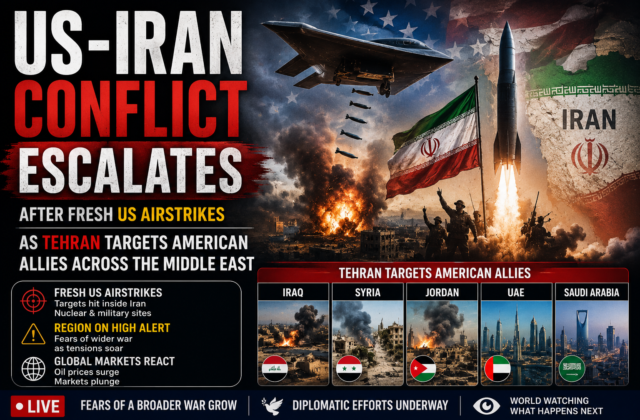
US Iran Conflict Latest News: Fresh US Airstrikes Trigger New Wave of Regional Escalation The US Iran conflict has entered a dangerous new phase after the United States launched another wave of military strikes against Iranian-linked targets, while Iran responded by attacking American allies across the Middle East. The latest developments mark one of the...
TheBusinessNow
Jul 18, 2026 · 3 min Read
Key Highlights
- 🚨 The US launched a fresh round of military strikes against Iranian-linked targets.
- 🚀 Iran responded with attacks targeting US allies across the Middle East.
- ⚠️ Casualties continue to rise as the conflict enters another week.
- 🛢️ Global oil markets remain on alert over potential supply disruptions.
- 🌍 International leaders are urging restraint to prevent wider regional instability.
- 📈 Investors are watching crude oil, gold, and equity markets for further volatility.
US Iran Conflict Latest News: Fresh US Airstrikes Trigger New Wave of Regional Escalation
The US Iran conflict has entered a dangerous new phase after the United States launched another wave of military strikes against Iranian-linked targets, while Iran responded by attacking American allies across the Middle East.
The latest developments mark one of the most serious escalations in the region this year, with reports indicating dozens of fatalities, hundreds of injuries, and growing fears that the conflict could expand beyond its current fronts.
As military operations intensify, governments, financial markets, and energy traders are closely monitoring whether the confrontation could evolve into a broader regional war.
What Happened in the Latest US-Iran Conflict?
According to multiple reports, US forces carried out another series of military strikes against Iranian-linked positions as part of ongoing operations in the region.
Shortly afterward, Iran launched retaliatory attacks directed at US-aligned partners in the Middle East, further widening the scope of the confrontation.
Officials from both sides have continued to defend their military actions while accusing the other of escalating the crisis.
Casualties Continue to Rise
The humanitarian impact of the conflict continues to grow.
Recent reports indicate:
- Dozens of people have been killed during the latest phase of fighting.
- Hundreds have reportedly been injured.
- Civilian infrastructure in several areas has suffered damage.
- Emergency services remain under pressure.
Independent verification of casualty figures remains difficult because conditions continue to evolve rapidly.
Why the US-Iran Conflict Matters Globally
The US Iran conflict affects far more than the Middle East.
Global investors are closely watching developments because the region remains critical to:
- Global crude oil exports
- Maritime shipping routes
- International energy security
- Defense markets
- Airline operations
- Commodity prices
Any prolonged escalation could increase volatility across financial markets.
Oil Markets Could Face Fresh Pressure
Energy traders remain particularly concerned about the impact on oil supplies.
If military operations spread toward major energy infrastructure or key shipping lanes, markets could experience:
- Higher crude oil prices
- Increased shipping insurance costs
- Supply chain disruptions
- Rising transportation expenses
- Inflationary pressure worldwide
Although energy exports have largely continued, investors remain cautious about future risks.
Global Leaders Call for De-escalation
Governments and international organizations have renewed calls for diplomacy.
Several countries are encouraging both Washington and Tehran to avoid actions that could trigger a wider regional conflict.
Diplomatic efforts continue behind the scenes as concerns grow over the humanitarian and economic consequences of prolonged fighting.
Financial Markets React to Rising Geopolitical Risk
The latest escalation has increased demand for traditional safe-haven assets.
Market participants are monitoring:
- Gold prices
- Crude oil futures
- US Treasury bonds
- Defense stocks
- Airline shares
- Global equity indices
Historically, heightened geopolitical tensions have led to increased volatility across these sectors.
What Investors Should Watch Next
Several developments could shape the next phase of the crisis:
- Additional US military operations
- Further Iranian retaliation
- Diplomatic negotiations
- Energy infrastructure security
- Shipping activity in regional waterways
- Statements from international leaders
Each development has the potential to influence both geopolitical stability and financial markets.
Final Thoughts
The US Iran conflict latest news highlights the rapidly evolving security situation in the Middle East. Fresh US airstrikes and Iran’s retaliatory attacks against American allies have intensified regional tensions, while concerns over civilian casualties, energy security, and global market stability continue to grow.
With diplomacy still underway but military operations continuing, investors and policymakers alike will be watching closely for signs of either further escalation or meaningful progress toward de-escalation.
Frequently Asked Questions (FAQs)
What happened in the latest US-Iran conflict?
The United States conducted new military strikes against Iranian-linked targets, and Iran responded with attacks targeting US allies in the region.
Why is the US-Iran conflict important?
The conflict affects regional security, global energy markets, shipping routes, and investor sentiment worldwide.
Could oil prices rise because of the conflict?
Yes. Any disruption to Middle East energy exports or transportation routes could place upward pressure on global oil prices.
Has the conflict spread beyond Iran?
Reports indicate that attacks have involved multiple locations across the region, including areas linked to US allies.
Are diplomatic efforts continuing?
Yes. International leaders continue urging restraint and encouraging diplomatic solutions to prevent further escalation.
About TheBusinessNow
TheBusinessNow delivers global coverage of business, finance, technology, geopolitics, commodities, and economic trends. Our goal is to provide readers with original, fact-based analysis that explains how world events shape markets and investment decisions.
Keep reading
Related Articles
 Commodities
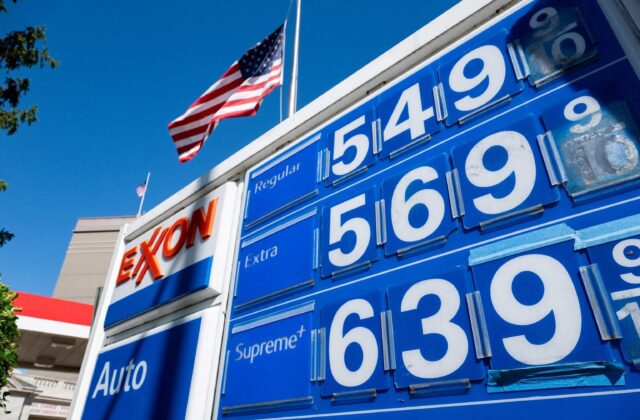
Oil Nears $95: Could the Iran War Trigger a New U.S. Inflation Shock?
Oil at $95 Is Not the Real Story A crude-oil headline is easy to write: “Oil prices rise as Iran tensions escalate.” Reuters, Bloomberg, CNBC and WSJ can publish that story within minutes. But for TheBusinessNow, that isn’t enough. The bigger question is: What happens to the American economy if oil stays near $95 —...
 Economy
U.S. National Debt Hits $40 Trillion: Why Treasury Yields Are Rising Again
The $40 Trillion Number Is Not the Whole Story The United States has crossed a psychological and financial milestone. $40 trillion. But simply writing “America owes $40 trillion” misses the more important story. The real question for markets is: Who is willing to finance America’s growing debt — and at what interest rate? That question...
 Commodities
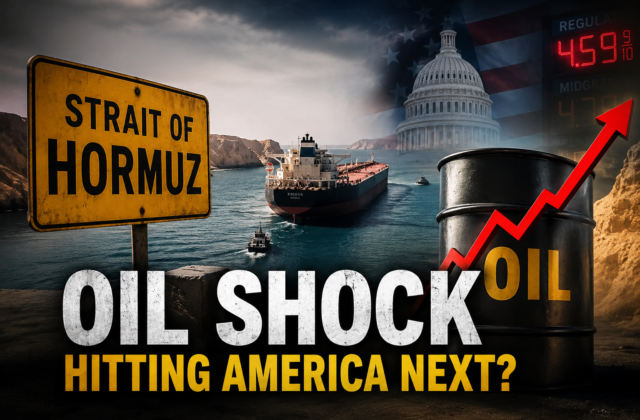
Strait of Hormuz Standoff: The Oil Shock That Could Hit the U.S. Economy Next
Strait of Hormuz Standoff: Why the Oil Market Is Getting Nervous Again The oil market is being forced to price a problem that seemed to be easing only weeks ago: the Strait of Hormuz is still not reliably functioning as a normal commercial shipping route. On August 19, Brent crude was trading around $91.20 a...
Comments (0)