
Wall Street Selloff Deepens: Oil Tops $100, Tech Giants Slide, and Investors Brace for More Turbulence
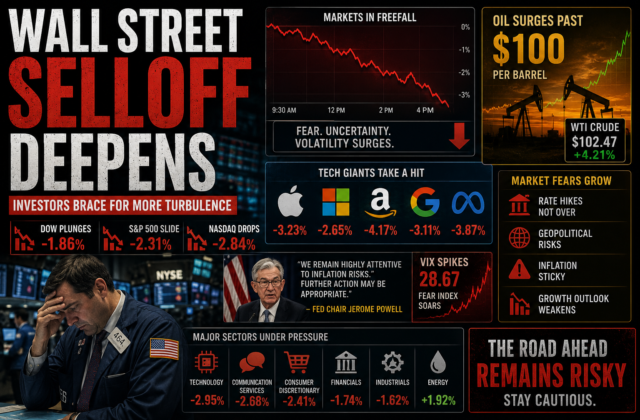
Wall Street Selloff Deepens: Oil Tops $100, Tech Giants Slide, and Investors Brace for More Turbulence Global financial markets are facing another period of heightened uncertainty. A combination of Brent crude oil climbing above $100 per barrel, weakness in leading technology companies, and the implementation of new U.S. tariffs has weighed on investor sentiment. The...
TheBusinessNow
Jul 24, 2026 · 3 min Read
Key Highlights
- 📉 Wall Street weakened as multiple macroeconomic risks hit investor sentiment simultaneously.
- 🛢️ Brent crude oil climbed above $100 per barrel, raising inflation concerns.
- 🤖 Technology stocks faced pressure following disappointing reactions to major AI-related earnings.
- 🚢 New tariffs added fresh uncertainty for businesses and global supply chains.
- 🏦 Investors are closely watching inflation data and future Federal Reserve policy decisions.
- 🟡 Gold and other safe-haven assets are back in focus as market volatility increases.
Wall Street Selloff Deepens: Oil Tops $100, Tech Giants Slide, and Investors Brace for More Turbulence
Global financial markets are facing another period of heightened uncertainty.
A combination of Brent crude oil climbing above $100 per barrel, weakness in leading technology companies, and the implementation of new U.S. tariffs has weighed on investor sentiment. The result has been renewed pressure across Wall Street, with traders reassessing the outlook for inflation, corporate earnings, and interest rates.
Although market volatility is not unusual, the convergence of several major risks at the same time has increased concerns that investors may face a more challenging environment in the months ahead.
Oil Crosses the $100 Mark Again
One of the biggest drivers of the latest market weakness is energy.
Brent crude oil briefly traded above $100 per barrel, reaching its highest levels in months as geopolitical tensions and supply concerns continued to support prices.
Higher oil prices matter because they influence nearly every part of the global economy, including:
- Transportation costs
- Manufacturing expenses
- Airline operating costs
- Consumer inflation
- Business profitability
Historically, sustained increases in oil prices have complicated the job of central banks trying to keep inflation under control.
Big Tech Loses Momentum
Technology stocks, which have been major contributors to market gains over recent years, also came under pressure.
Several leading technology companies—including Tesla and Alphabet—experienced declines following earnings-related concerns and questions about future profitability.
Investors remain optimistic about artificial intelligence over the long term, but many are beginning to ask whether the enormous capital being invested in AI infrastructure will translate into sufficient earnings growth.
The result has been increased volatility across the technology sector.
AI Spending Faces Greater Scrutiny
Artificial intelligence remains one of the strongest long-term investment themes.
However, recent earnings reports have highlighted an important question:
How quickly will companies generate returns on their massive AI investments?
Many of the world’s largest technology companies continue spending billions of dollars on:
- AI data centers
- Advanced semiconductors
- Cloud infrastructure
- Next-generation software
- Large language models
While these investments could reshape future industries, investors increasingly want evidence that higher spending will produce stronger profits.
New Tariffs Add Another Layer of Risk
Markets are also reacting to the implementation of new trade tariffs.
Tariffs can affect businesses by increasing:
- Import costs
- Manufacturing expenses
- Supply-chain complexity
- Consumer prices
Companies dependent on international supply chains may experience additional cost pressures if trade restrictions remain in place or expand further.
Why Investors Are Becoming More Defensive
Several developments are occurring simultaneously:
- Oil prices have risen sharply.
- Inflation risks remain elevated.
- Technology stocks have weakened.
- Trade tensions are increasing.
- Interest-rate expectations remain uncertain.
When multiple macroeconomic risks appear together, investors often reduce exposure to riskier assets and shift toward defensive sectors or safe-haven investments.
What This Means for Inflation
Energy prices remain one of the largest components of inflation.
If oil prices remain above $100 for an extended period, businesses may face higher operating costs that could eventually be passed on to consumers.
Higher inflation could influence future monetary policy decisions by central banks, including the U.S. Federal Reserve.
Safe-Haven Assets Return to Focus
Periods of market uncertainty often increase demand for traditional defensive assets.
Investors typically monitor:
- Gold
- U.S. Treasury bonds
- Defensive sectors
- Utility stocks
- Consumer staples
Although no asset guarantees protection, diversification often becomes a greater priority during volatile market conditions.
What Could Happen Next?
Markets will closely watch several developments:
Corporate Earnings
Upcoming earnings reports will help determine whether recent weakness in technology shares is temporary or reflects broader concerns.
Oil Prices
If Brent crude remains above $100, inflation expectations could rise further.
Federal Reserve Policy
Investors will monitor economic data for clues about future interest-rate decisions.
Global Trade
Any additional tariffs or trade restrictions could influence business confidence and global growth expectations.
Is This the Beginning of a Larger Market Correction?
Not necessarily.
Financial markets frequently experience periods of volatility following strong rallies.
However, investors are paying closer attention because several important risks are now developing simultaneously.
The market’s next direction will depend on:
- Corporate earnings
- Inflation data
- Energy markets
- Central bank policy
- Geopolitical developments
What Long-Term Investors Should Remember
Periods of volatility are a normal part of investing.
Rather than reacting emotionally to daily market movements, many long-term investors focus on:
- Portfolio diversification
- Risk management
- Investment discipline
- Long-term objectives
While short-term headlines can influence prices, long-term investment outcomes are often driven by broader economic fundamentals.
Final Analysis
Wall Street’s latest decline reflects more than a single event. Rising oil prices, pressure on major technology stocks, uncertainty surrounding AI investment returns, and renewed trade tensions have combined to create a more cautious investment environment.
Although markets remain resilient over the long run, investors now face a more complex landscape in which inflation, energy prices, corporate earnings, and geopolitical developments are becoming increasingly interconnected. The coming weeks will be critical in determining whether this selloff proves to be a temporary pause or the beginning of a more prolonged period of market volatility.
For investors, the key will be separating short-term market noise from long-term structural trends while maintaining disciplined portfolio management in an environment of elevated uncertainty.
❓ Frequently Asked Questions (FAQs)
1. Why are Wall Street stocks falling today?
Wall Street has come under pressure due to a combination of higher oil prices, weakness in major technology stocks, concerns over AI-related spending, and the implementation of new trade tariffs, all of which have increased uncertainty for investors.
2. Why is Brent crude oil above $100 important?
Oil prices affect transportation, manufacturing, logistics, and consumer prices worldwide. Sustained oil prices above $100 per barrel can increase inflationary pressure and impact corporate profits.
3. Why did Tesla and Alphabet weigh on the market?
Recent earnings reports from Tesla and Alphabet raised investor concerns about growth, profitability, and the pace of returns from heavy artificial intelligence investments, contributing to weakness in technology stocks.
4. How do tariffs affect the stock market?
Tariffs can raise costs for businesses that rely on imported goods or global supply chains. Higher costs may reduce profit margins and influence inflation, which can weigh on investor sentiment.
5. Could higher oil prices lead to more inflation?
Yes. Rising energy costs often feed into transportation, manufacturing, and consumer prices, potentially making it harder for central banks to bring inflation under control.
6. Why are investors watching the Federal Reserve?
If inflation remains elevated because of higher oil prices or other factors, the Federal Reserve may adjust its monetary policy, influencing borrowing costs, business investment, and financial markets.
7. What should long-term investors do during market volatility?
Market volatility is a normal part of investing. Long-term investors often focus on diversification, disciplined investing, and their financial goals rather than reacting to short-term market movements.
🌍 About The Business Now
The Business Now is a trusted global business and financial news platform covering:
- 📈 Stock Markets & Investing
- 🌍 Global Economy & Geopolitics
- 🏦 Central Banks & Monetary Policy
- 🛢️ Gold, Oil & Commodities
- 🤖 Artificial Intelligence & Technology
- 💼 Corporate Earnings & Business
- 💹 Personal Finance & Wealth
Our goal is to deliver accurate reporting, expert market analysis, and actionable financial insights that help readers understand the forces shaping the global economy.
The Business Now — Global News. Business Intelligence. Market Insights.
🟡 Check Live Gold Prices
Stay updated with:
- 🟡 Live 24K Gold Price
- 🟠 Live 22K Gold Price
- 🟤 Live 18K Gold Price
- ⚪ Live Silver Price
- 🌍 International Spot Gold Rates
- 📈 Gold Charts & Investment Tools
Visit GoldPriceNow.in for the latest prices.

Keep reading
Related Articles
 Crypto
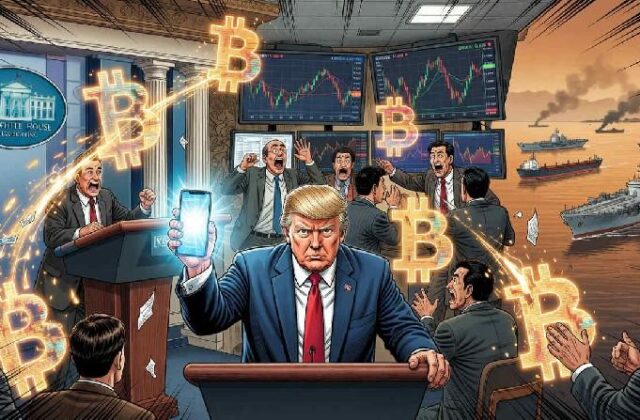
₿ Bitcoin Breaks Above $72,000: Why Trump’s Crypto Push Is Sending Crypto Stocks Higher
Bitcoin’s $72,000 Move Is Bigger Than Bitcoin A typical crypto headline would be: Bitcoin jumps above $72,000. But that misses the most important part of today’s move. The interesting part is the simultaneous rally in: Bitcoin ↓ Coinbase ↓ Strategy ↓ Circle ↓ Robinhood ↓ Bitcoin miners ↓ Crypto infrastructure That tells us investors aren’t...
 Markets
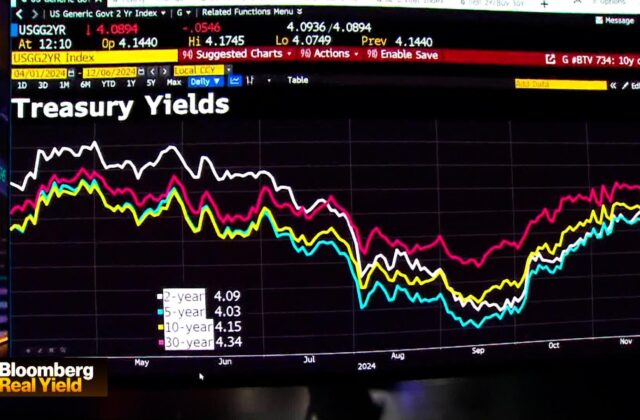
U.S. Treasury Doubles Bond Buybacks: Why Markets Are Still Worried About Rising Yields
The Treasury Just Sent Two Messages to Wall Street At first glance, this looks like a straightforward market-support operation. Treasury says: We want to improve liquidity in longer-dated Treasury securities. Investors hear: Washington is increasingly concerned about the rise in long-term borrowing costs. And that second interpretation is what makes this story important. The Treasury...
 Commodities
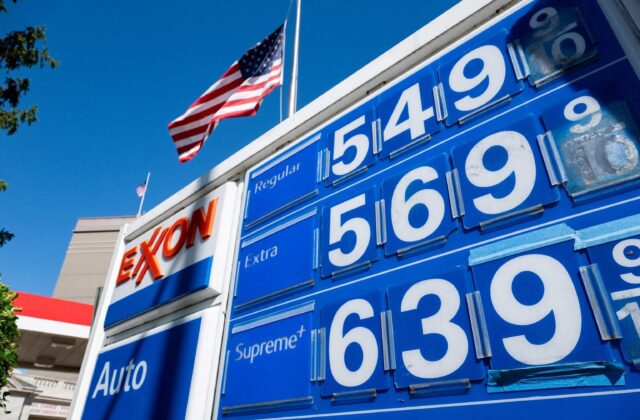
Oil Nears $95: Could the Iran War Trigger a New U.S. Inflation Shock?
Oil at $95 Is Not the Real Story A crude-oil headline is easy to write: “Oil prices rise as Iran tensions escalate.” Reuters, Bloomberg, CNBC and WSJ can publish that story within minutes. But for TheBusinessNow, that isn’t enough. The bigger question is: What happens to the American economy if oil stays near $95 —...
Comments (0)