
Iran War Tragedy Puts Pete Hegseth Under Growing Pressure as GOP Confidence in Defense Chief Erodes
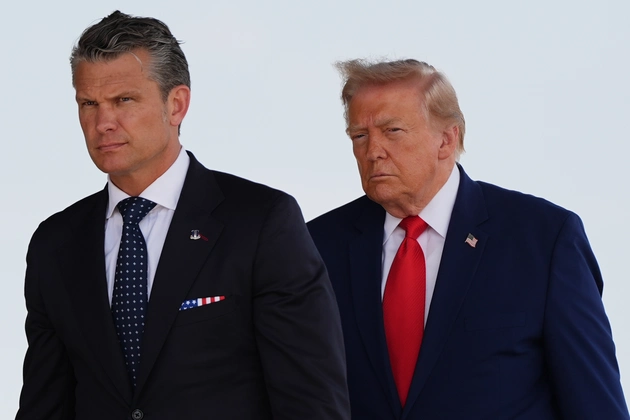
Iran War Tragedy Puts Pete Hegseth Under Growing Pressure as GOP Confidence in Defense Chief Erodes Defense Secretary Pete Hegseth is facing mounting political pressure as the U.S. war with Iran continues, with concerns over the conflict’s duration, military leadership decisions and civilian casualties increasingly putting his Pentagon leadership under scrutiny. The latest controversy comes...
sam
Jul 31, 2026 · 4 min Read
Key Highlights
- 🇺🇸 Pete Hegseth is facing growing scrutiny over his handling of the Iran war.
- ⚠️ Republican senators have publicly questioned their confidence in the defense secretary.
- 🪖 Critics point to the prolonged conflict and controversial Pentagon leadership decisions.
- 💥 A tragedy in Iran has renewed questions about civilian-harm protections.
- 🏛️ Some GOP lawmakers are increasingly concerned about the war's cost and lack of a clear endpoint.
- 📉 The political pressure could make Hegseth's Pentagon leadership a major issue for the Trump administration.
Iran War Tragedy Puts Pete Hegseth Under Growing Pressure as GOP Confidence in Defense Chief Erodes
Defense Secretary Pete Hegseth is facing mounting political pressure as the U.S. war with Iran continues, with concerns over the conflict’s duration, military leadership decisions and civilian casualties increasingly putting his Pentagon leadership under scrutiny.
The latest controversy comes after a report in The Atlantic examined how a tragedy in Iran could potentially push Hegseth to reconsider aspects of the administration’s approach to civilian protection. At the same time, Republican senators have publicly expressed growing doubts about Hegseth’s leadership as the conflict drags on.
The issue is becoming particularly sensitive because criticism is no longer coming only from Democrats.
Why Is Pete Hegseth Under Pressure?
Hegseth entered the Pentagon with a mandate to reshape the Defense Department and pursue President Donald Trump’s military priorities.
But the Iran war has created an increasingly difficult test.
The conflict has lasted much longer than some lawmakers initially expected, while the costs and strategic consequences have continued to grow.
Several Republican senators told The Hill that their confidence in Hegseth has weakened. North Carolina Sen. Thom Tillis was particularly blunt, saying he no longer had confidence in Hegseth and criticizing what he described as the removal or forced retirement of experienced military leaders.
That criticism matters because Republican support has been crucial to the administration’s ability to sustain its Iran policy.
The Iran War Is Becoming a Political Problem
One of the biggest challenges for Hegseth is that the conflict is no longer being viewed solely through a military lens.
It has become a political issue.
Republican lawmakers are increasingly asking questions about:
- How long the war will last
- How much it will cost
- Whether the original objectives are achievable
- Military readiness
- Ammunition and weapons supplies
- Civilian casualties
- Pentagon leadership
- The removal of senior military officials
Some GOP senators have warned that Americans are becoming increasingly weary of the conflict. Reports have also highlighted concerns about the war’s financial cost and the lack of a clear resolution.
A Tragedy in Iran Raises Civilian Protection Questions
The latest controversy is also focused on civilian casualties.
The Atlantic reported that a tragedy in Iran could potentially persuade Hegseth to change course on aspects of the Pentagon’s approach to civilian protection.
That issue has already generated congressional scrutiny.
In April, Democratic senators Chris Van Hollen and Elizabeth Warren launched an investigation into Hegseth’s role in changes to civilian-harm prevention programs at the Defense Department. They argued that cuts to personnel and funding had weakened mechanisms designed to reduce civilian casualties.
The administration has disputed criticism of its military campaign.
That means the civilian-casualty debate is likely to remain politically contentious.
Republicans Are Starting to Speak Out
Perhaps the most significant development is the growing criticism from within Hegseth’s own political coalition.
Several Republican senators have expressed concern about his leadership.
Sen. Thom Tillis has criticized Hegseth over the treatment of senior military leaders, while Sen. Susan Collins described the removal of Gen. Christopher Donahue as deeply troubling. Other Republican senators have expressed concern about the length and cost of the Iran conflict.
This doesn’t necessarily mean Republicans are preparing to remove Hegseth.
But it does show that political patience is becoming thinner.
Hegseth Defends His Record
Hegseth has pushed back strongly against suggestions that the Iran campaign is failing.
During congressional testimony, he characterized descriptions of the military operation as a failure as reckless and irresponsible, arguing that such criticism undermines the work and sacrifice of American service members.
That puts Hegseth in a difficult position.
He needs to defend the Pentagon’s strategy while simultaneously responding to lawmakers who want greater accountability.
The Military Leadership Controversy
The Iran war isn’t the only source of criticism.
Hegseth has also faced scrutiny over several senior military personnel changes.
Republican lawmakers have questioned the removal or forced retirement of experienced officers.
Tillis accused Hegseth of accelerating the departure of highly regarded military leaders and of excessive micromanagement.
For critics, the concern is straightforward:
Does replacing experienced commanders during a major war weaken military stability?
Hegseth’s supporters would argue that senior leadership changes can be necessary when an administration wants to implement a different strategic direction.
The disagreement is therefore fundamentally about how much continuity the Pentagon should maintain during wartime.
Why This Could Become a Major Trump Administration Problem
Presidents generally want their defense secretary to project confidence and stability.
A defense secretary facing criticism from members of the president’s own party can create a different political dynamic.
If Republican senators continue questioning Hegseth, the White House could eventually face pressure to:
- Defend him more aggressively
- Change Pentagon strategy
- Alter senior military leadership
- Increase congressional briefings
- Strengthen civilian casualty protections
- Reassess the Iran campaign
The administration’s response could determine whether the controversy fades or becomes a larger political crisis.
Democrats Are Already Targeting Hegseth
Democrats have increasingly made Hegseth a central figure in their criticism of the administration’s Iran policy.
Politico has described Hegseth as becoming a prominent Democratic campaign target as the conflict continues.
That could become particularly important ahead of the midterm elections.
If the Iran war remains unresolved, Democrats could argue that the administration:
Started the conflict → underestimated its duration → increased costs → failed to achieve a clear endpoint.
Republicans will likely counter that military pressure is necessary to prevent Iran from developing or maintaining strategic capabilities viewed by the administration as unacceptable.
The Cost of the War Is Becoming Harder to Ignore
The financial dimension is another major issue.
Republican senators have raised concerns about the cost of the conflict, with reports putting the additional expense at tens of billions of dollars.
That creates a difficult political equation.
War spending competes with other federal priorities.
As the conflict continues, lawmakers may demand more detailed answers about:
- Weapons expenditure
- Military deployments
- Replacement costs
- Readiness
- Long-term operations
- Future funding requirements
The longer the war lasts, the harder it becomes to treat those costs as temporary.
The Strait of Hormuz Adds Economic Pressure
The conflict has also affected global energy markets.
The prolonged crisis surrounding the Strait of Hormuz has raised concerns about oil and gas supplies and global shipping.
That creates an additional economic problem for the administration.
A prolonged conflict can influence:
Oil prices → gasoline prices → inflation → consumer spending → Federal Reserve policy → financial markets.
For investors, the Iran conflict therefore isn’t only a geopolitical story.
It can directly affect commodities and global markets.
What Could Force Hegseth to Change Course?
Several developments could increase pressure on the defense secretary.
1. More civilian casualties
Another major civilian tragedy could intensify calls for changes to military targeting and civilian-protection procedures.
2. Rising military costs
If spending continues to increase, congressional resistance could grow.
3. More GOP criticism
Republican lawmakers turning against Hegseth would be significantly more consequential than criticism from Democrats alone.
4. Military leadership instability
Continued removals or resignations among senior commanders could increase concerns about Pentagon management.
5. No clear end to the war
The longer the conflict continues without a political settlement or clearly defined outcome, the harder it may become for the administration to maintain public support.
What Happens Next?
The immediate question is whether the Trump administration adjusts its strategy or continues its current course.
Hegseth could attempt to reassure Congress by emphasizing military objectives and operational achievements.
Alternatively, the Pentagon could introduce additional measures aimed at reducing civilian casualties.
Congress could also increase its oversight of the Defense Department and demand more information about the war’s objectives and costs.
For now, however, there is no clear indication that Hegseth is about to leave his position.
The Bigger Picture
The growing pressure on Pete Hegseth illustrates how difficult wartime leadership becomes when military strategy collides with domestic politics.
At the beginning of a conflict, political leaders can often rally support around national security.
But as casualties rise, costs increase and the timeline stretches, lawmakers begin asking a different question:
Where is this going?
That is increasingly the question facing Hegseth.
And because some of the strongest criticism is now coming from Republicans, the issue could become significantly more difficult for the Pentagon and White House to contain.
Final Thoughts
Pete Hegseth entered the Pentagon promising a major transformation of America’s military leadership and strategy.
The Iran war is now testing that promise.
Growing Republican skepticism, Democratic criticism, questions over civilian casualties and the rising financial cost of the conflict have combined to create one of the most challenging moments of Hegseth’s tenure.
The central question isn’t simply whether Hegseth can withstand the criticism.
It is whether the administration can demonstrate that its Iran strategy has a sustainable objective, a manageable cost and a credible path toward an eventual end to the conflict.
If it cannot, pressure on the Pentagon chief is likely to intensify.
❓ FAQs
Why is Pete Hegseth under pressure?
Republican lawmakers have raised concerns about his handling of the Iran war, Pentagon leadership changes, the conflict’s cost and the absence of a clear endpoint.
Are Republicans losing confidence in Hegseth?
Several Republican senators have publicly expressed doubts about his leadership, although this does not mean there is currently a unified GOP effort to remove him.
Why are civilian casualties part of the controversy?
Critics argue that changes to Pentagon civilian-harm prevention programs could have weakened safeguards. Democratic senators have opened an investigation into Hegseth’s role in those changes.
Has Hegseth admitted the Iran strategy is failing?
No. Hegseth has strongly rejected descriptions of the military operation as a failure and defended American troops and the administration’s objectives.
Could Hegseth be replaced?
There is no verified indication that he is currently being removed. However, continued bipartisan and Republican criticism could increase political pressure on the administration.
Why does the Iran war matter to financial markets?
The conflict can affect oil prices, shipping, inflation and global risk sentiment, particularly because of concerns surrounding the Strait of Hormuz.
📰 About The Business Now
The Business Now delivers coverage of U.S. politics, geopolitics, business, finance, markets, defense and major global developments with fact-based reporting and analysis.
🪙 Check Live Gold Prices
Track Gold, Silver, Platinum and Palladium prices, historical charts, calculators and daily market updates at:
🌐 External Resources
- The Atlantic — Analysis of Hegseth and civilian protection.
- The Hill — Reporting on Republican concerns over Hegseth.
- Politico — Coverage of the political impact surrounding Hegseth.
- U.S. Senate — Congressional information and oversight resources.
Keep reading
Related Articles
 Crypto
₿ Bitcoin Breaks Above $72,000: Why Trump’s Crypto Push Is Sending Crypto Stocks Higher
Bitcoin’s $72,000 Move Is Bigger Than Bitcoin A typical crypto headline would be: Bitcoin jumps above $72,000. But that misses the most important part of today’s move. The interesting part is the simultaneous rally in: Bitcoin ↓ Coinbase ↓ Strategy ↓ Circle ↓ Robinhood ↓ Bitcoin miners ↓ Crypto infrastructure That tells us investors aren’t...
 Markets
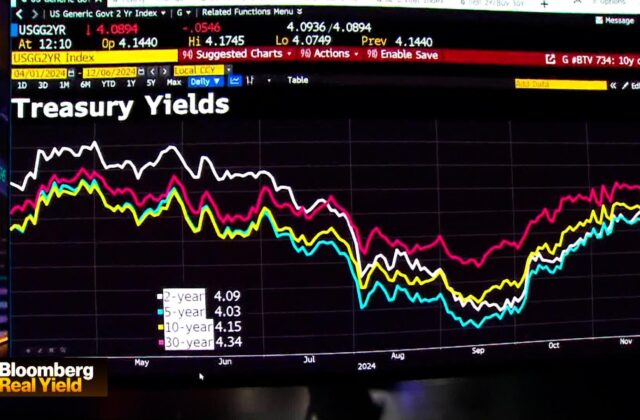
U.S. Treasury Doubles Bond Buybacks: Why Markets Are Still Worried About Rising Yields
The Treasury Just Sent Two Messages to Wall Street At first glance, this looks like a straightforward market-support operation. Treasury says: We want to improve liquidity in longer-dated Treasury securities. Investors hear: Washington is increasingly concerned about the rise in long-term borrowing costs. And that second interpretation is what makes this story important. The Treasury...
 Commodities
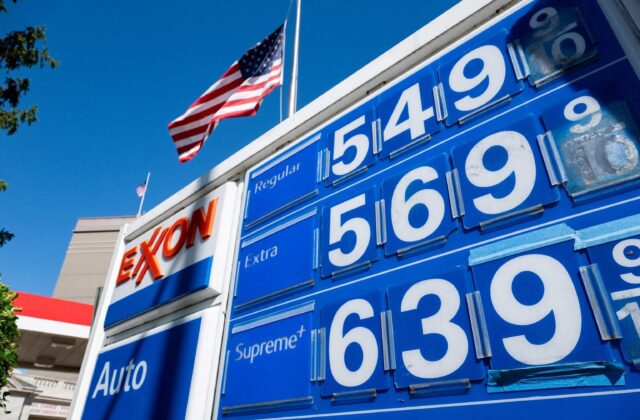
Oil Nears $95: Could the Iran War Trigger a New U.S. Inflation Shock?
Oil at $95 Is Not the Real Story A crude-oil headline is easy to write: “Oil prices rise as Iran tensions escalate.” Reuters, Bloomberg, CNBC and WSJ can publish that story within minutes. But for TheBusinessNow, that isn’t enough. The bigger question is: What happens to the American economy if oil stays near $95 —...
Comments (0)