
Iraq Oil Exports Through Syria Surge as Strait of Hormuz Risks Reshape Global Energy Trade
Iraq Oil Exports Through Syria Explode as Middle East Finds Alternative to the Strait of Hormuz The global energy map is changing rapidly. Iraq Oil Exports Through Syria have surged in recent months as Baghdad increasingly relies on thousands of fuel trucks to bypass the Strait of Hormuz, one of the world’s most strategically important...
TheBusinessNow
Jul 18, 2026 · 2 min Read
Key Highlights
- 🚛 Thousands of fuel trucks are transporting Iraqi oil products through Syria.
- 🌍 Iraq is reducing its dependence on the Strait of Hormuz.
- ⛽ Syria has rapidly emerged as a major Middle East energy export corridor.
- 📈 Global oil traders are closely monitoring the new transport route.
- 💰 Iraq aims to protect oil revenues amid regional geopolitical uncertainty.
- ⚡ The shift could permanently reshape Middle East energy logistics.
Iraq Oil Exports Through Syria Explode as Middle East Finds Alternative to the Strait of Hormuz
The global energy map is changing rapidly.
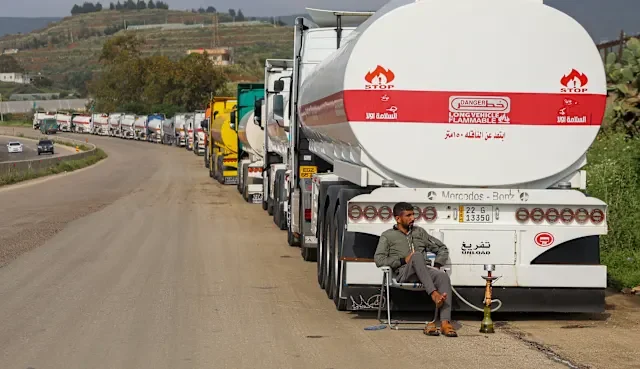
Iraq Oil Exports Through Syria have surged in recent months as Baghdad increasingly relies on thousands of fuel trucks to bypass the Strait of Hormuz, one of the world’s most strategically important oil chokepoints.
The dramatic shift comes after months of geopolitical instability across the Middle East, prompting oil-producing nations to accelerate plans for alternative export routes. Instead of relying solely on Hormuz, Iraq is now transporting fuel oil overland through Syria to Mediterranean ports, creating what analysts describe as one of the region’s biggest energy supply chain transformations in years.
The development could have significant implications for global crude prices, shipping costs, energy security, and future geopolitical influence across the Middle East.
Why Iraq Oil Exports Through Syria Are Increasing
The biggest reason behind the rapid increase in Iraq Oil Exports Through Syria is the growing concern over the security of the Strait of Hormuz.
The narrow waterway normally carries nearly 20% of the world’s oil supply, making it one of the most critical energy routes on the planet.
Following heightened regional tensions and disruptions affecting shipping traffic, Iraq has accelerated efforts to diversify its export network by using land transportation through neighboring Syria.
Thousands of fuel trucks are now moving refined petroleum products across the border before reaching Mediterranean ports, allowing exports to continue even when Gulf shipping faces uncertainty.
How the New Export Route Works
Instead of loading fuel directly onto tankers in the Persian Gulf, Iraq is now transporting fuel oil by road.
The journey typically includes:
- Loading fuel at Iraqi refineries
- Cross-border transport into Syria
- Delivery to Mediterranean export terminals
- Shipment to international buyers
The road journey takes approximately four days, creating an entirely new logistics network for Iraqi energy exports.
Although trucking cannot replace large-scale pipeline exports, it provides an important emergency alternative during periods of geopolitical instability.
Why the Strait of Hormuz Still Matters
The Strait of Hormuz remains one of the world’s most important maritime trade routes.
Every day, millions of barrels of crude oil and refined petroleum products pass through the narrow passage connecting the Persian Gulf with global markets.
Any disruption can quickly affect:
- Global oil prices
- Shipping insurance costs
- Fuel supply chains
- Inflation
- Energy security
- International trade
The recent shift by Iraq highlights how governments are increasingly preparing for scenarios where Hormuz becomes less reliable.
Syria Emerges as a New Energy Gateway
Perhaps the most surprising aspect of this development is Syria’s growing importance.
Only months ago, Syria played almost no role in regional refined fuel exports.
Now, the country has become one of the fastest-growing transit corridors for Iraqi fuel shipments.
The change follows improving diplomatic relations, easing international restrictions, and renewed foreign investment interest in Syria’s infrastructure.
Energy companies are also evaluating future pipeline opportunities that could further strengthen Syria’s strategic position in regional energy markets.
Global Oil Markets Are Watching Closely
Energy traders believe the expansion of Iraq Oil Exports Through Syria could reduce some geopolitical risks associated with Middle Eastern oil transportation.
However, several challenges remain:
Limited Capacity
Truck transportation cannot match the volume of major oil pipelines or supertankers.
Higher Transportation Costs
Moving fuel by road is generally more expensive than pipeline infrastructure.
Infrastructure Requirements
Further investment is needed to expand Syria’s export facilities.
Regional Stability
Long-term success depends on political stability across both Iraq and Syria.
Why This Matters for Oil Prices
Although the new export route may not immediately change global oil prices, it could improve supply resilience during future disruptions.
Investors are closely monitoring:
- Brent crude prices
- WTI crude futures
- OPEC+ production
- Middle East geopolitical developments
- Global shipping rates
- Strategic petroleum reserves
Alternative export routes help reduce supply risks, which can limit extreme price spikes during geopolitical crises.
Could More Countries Follow Iraq’s Strategy?
Iraq is not alone.
Several Gulf producers have already explored:
- New export pipelines
- Expanded Red Sea infrastructure
- Mediterranean export terminals
- Additional storage facilities
- Alternative shipping corridors
The goal is clear: reduce dependence on a single maritime chokepoint.
This broader regional strategy could reshape global energy logistics over the next decade.
Economic Impact on Iraq
Oil remains Iraq’s largest source of government revenue.
Ensuring uninterrupted exports is essential for:
- National budget stability
- Public spending
- Infrastructure projects
- Economic growth
- Foreign exchange earnings
By creating alternative export channels, Iraq hopes to protect its economy from future regional disruptions.
What Investors Should Watch Next
Several developments could influence the future of Iraq Oil Exports Through Syria:
- Expansion of overland fuel transportation
- New Iraq-Syria pipeline proposals
- Changes in Middle East geopolitical tensions
- OPEC+ production decisions
- Global crude oil demand
- Energy infrastructure investments
If these projects continue to expand, Syria could become one of the region’s most important energy transit hubs.
Final Thoughts
The rapid expansion of Iraq Oil Exports Through Syria represents far more than a temporary logistics adjustment.
It reflects a strategic shift in how Middle Eastern energy producers are preparing for an increasingly uncertain geopolitical environment. By reducing dependence on the Strait of Hormuz and developing alternative export corridors, Iraq is strengthening its energy security while helping reshape regional oil trade.
For investors, governments, and global energy markets, this story is likely to remain one of the most important developments to watch throughout 2026.
Frequently Asked Questions (FAQs)
Why is Iraq exporting oil through Syria?
Iraq is increasing exports through Syria to reduce dependence on the Strait of Hormuz amid ongoing geopolitical tensions.
Why is the Strait of Hormuz important?
Around one-fifth of global oil supplies normally pass through the Strait of Hormuz, making it one of the world’s most critical energy shipping routes.
What products is Iraq transporting?
Most shipments currently consist of fuel oil, although smaller quantities of crude oil are also reportedly being transported.
How long does the truck route take?
The overland journey from Iraq to Syria’s Mediterranean ports takes approximately four days.
Will this affect global oil prices?
Alternative export routes improve supply resilience, but global oil prices will continue to depend on geopolitical developments, demand, and production levels.
About TheBusinessNow
TheBusinessNow delivers global coverage of business, finance, technology, geopolitics, commodities, and economic trends. Our goal is to provide readers with original, fact-based analysis that explains how world events shape markets and investment decisions.
Keep reading
Related Articles
 Crypto
₿ Bitcoin Breaks Above $72,000: Why Trump’s Crypto Push Is Sending Crypto Stocks Higher
Bitcoin’s $72,000 Move Is Bigger Than Bitcoin A typical crypto headline would be: Bitcoin jumps above $72,000. But that misses the most important part of today’s move. The interesting part is the simultaneous rally in: Bitcoin ↓ Coinbase ↓ Strategy ↓ Circle ↓ Robinhood ↓ Bitcoin miners ↓ Crypto infrastructure That tells us investors aren’t...
 Markets
U.S. Treasury Doubles Bond Buybacks: Why Markets Are Still Worried About Rising Yields
The Treasury Just Sent Two Messages to Wall Street At first glance, this looks like a straightforward market-support operation. Treasury says: We want to improve liquidity in longer-dated Treasury securities. Investors hear: Washington is increasingly concerned about the rise in long-term borrowing costs. And that second interpretation is what makes this story important. The Treasury...
 Commodities
Oil Nears $95: Could the Iran War Trigger a New U.S. Inflation Shock?
Oil at $95 Is Not the Real Story A crude-oil headline is easy to write: “Oil prices rise as Iran tensions escalate.” Reuters, Bloomberg, CNBC and WSJ can publish that story within minutes. But for TheBusinessNow, that isn’t enough. The bigger question is: What happens to the American economy if oil stays near $95 —...
Comments (0)