
Oil Prices, Fed Rate Cut Bets, and Iran Sanctions Collide—Why Global Markets Just Entered a Critical Turning Point
Oil Prices, Fed Rate Cut Bets, and Iran Sanctions Collide—Why Global Markets Just Entered a Critical Turning Point A series of major developments in the U.S. economy and global energy markets unfolded within hours, creating one of the most significant trading sessions in recent weeks. Weaker-than-expected private hiring, a sharp rise in U.S. crude oil...
JK Triloki
Aug 5, 2026 · 3 min Read

Key Highlights
- 📉 U.S. ADP private payrolls increased by just 44,000, well below the expected 65,000, signaling slower hiring in July.
- 🛢️ U.S. crude oil inventories unexpectedly rose by approximately 2.48 million barrels, suggesting weaker near-term demand or stronger supply.
- 🚢 U.S. Central Command confirmed that the southern shipping route through the Strait of Hormuz is open to commercial vessels.
- 🇮🇷 The U.S. announced the lifting of certain sanctions related to Iran, potentially affecting future global energy trade.
- 💵 Markets are reassessing expectations for Federal Reserve policy following weaker labor data.
- 📊 Oil, equities, Treasury yields, and the U.S. dollar could all experience increased volatility as investors digest these developments.
Oil Prices, Fed Rate Cut Bets, and Iran Sanctions Collide—Why Global Markets Just Entered a Critical Turning Point
A series of major developments in the U.S. economy and global energy markets unfolded within hours, creating one of the most significant trading sessions in recent weeks. Weaker-than-expected private hiring, a sharp rise in U.S. crude oil inventories, the reopening of a key shipping route in the Strait of Hormuz, and the easing of certain U.S. sanctions related to Iran are collectively reshaping expectations for oil prices, Federal Reserve policy, the U.S. dollar, and global financial markets.
Rather than viewing these events separately, investors are increasingly assessing how they interact. Slowing employment growth may strengthen the case for future Federal Reserve interest rate cuts, while developments in the Middle East could improve global oil supply. Together, these factors are influencing everything from energy prices to equities, bonds, and currencies.
Why These Four Developments Matter Together
On their own, each headline would have attracted significant market attention.
Combined, they tell a much bigger story.
Investors are trying to answer one key question:
Is the global economy entering a phase of slower growth with improving energy supply?
The answer to that question could determine the direction of:
- Oil prices
- Gold prices
- Stock markets
- Bond yields
- The U.S. dollar
- Federal Reserve policy expectations
U.S. Hiring Slows More Than Expected
The latest ADP Employment Report showed that private employers added 44,000 jobs in July, below both the market expectation of 65,000 and the previous reading of 98,000.
Although the ADP report does not always match the official U.S. Nonfarm Payrolls report, it remains an important indicator of labor market momentum.
Slower hiring may suggest that businesses are becoming more cautious amid higher borrowing costs and ongoing economic uncertainty.
For investors, weaker employment growth can influence expectations about future Federal Reserve interest-rate decisions.
Why the Labor Market Is So Important
The Federal Reserve closely monitors employment alongside inflation when setting monetary policy.
A cooling labor market may reduce wage pressures and, over time, ease inflationary risks.
If future employment data also show slower growth, markets could increasingly expect:
- Interest rate cuts
- Lower Treasury yields
- A softer U.S. dollar
- Improved financing conditions
However, policymakers will likely continue evaluating a broad range of economic indicators before making any decisions.
U.S. Crude Oil Inventories Surprise the Market
Energy markets also reacted after government data showed that U.S. crude oil inventories rose by approximately 2.48 million barrels.
Economists had expected a decline.
Higher inventories generally indicate that supply exceeded demand during the reporting period.
Possible explanations include:
- Increased domestic production
- Reduced refinery activity
- Lower fuel consumption
- Temporary shifts in imports or exports
Inventory reports often influence short-term oil prices because they provide insight into current market conditions.
Strait of Hormuz Reopens Key Shipping Route
Another major development came from the Middle East.
U.S. Central Command announced that the southern shipping route through the Strait of Hormuz is accessible for commercial vessels.
The Strait of Hormuz is one of the world’s most strategically important maritime chokepoints.
A substantial share of globally traded crude oil and liquefied natural gas passes through the waterway.
Improved shipping access may reduce concerns about immediate supply disruptions, although geopolitical risks remain.
U.S. Eases Certain Iran-Related Sanctions
The U.S. Treasury also announced the lifting of certain sanctions related to Iran.
While the broader implications will depend on the specific measures involved and future diplomatic developments, markets interpreted the announcement as a potential step toward increased flexibility in regional trade.
Energy traders are evaluating whether future changes could eventually influence Iranian oil exports and global supply balances.
At this stage, the long-term impact remains uncertain.
What This Means for Oil Prices
Oil prices are responding to several competing forces.
Factors That Could Pressure Prices Lower
- Higher U.S. crude inventories
- Improved shipping conditions through Hormuz
- Potentially improved regional energy flows
- Slower economic growth reducing fuel demand
Factors That Could Support Prices
- Ongoing geopolitical uncertainty
- Strong seasonal energy demand
- OPEC+ production decisions
- Unexpected supply disruptions
The interaction between these factors will likely determine the next major move in crude oil markets.
Impact on Gold and the U.S. Dollar
Weaker employment data often affect expectations for U.S. monetary policy.
If investors increasingly anticipate lower interest rates:
- Gold may receive support because lower yields reduce the opportunity cost of holding non-yielding assets.
- The U.S. dollar could weaken if markets price in future policy easing.
However, market reactions will depend on upcoming economic releases, particularly inflation and the official employment report.
What Investors Are Watching Next
Markets will closely monitor several upcoming developments:
- U.S. Nonfarm Payrolls
- Inflation data
- Federal Reserve communications
- OPEC+ policy decisions
- Additional inventory reports
- Geopolitical developments in the Middle East
These events could either reinforce or reverse the current market narrative.
How Different Markets Could React
Stock Market
Lower interest-rate expectations may support growth stocks, but weaker economic data could pressure cyclical sectors.
Oil Market
Prices may remain volatile as traders balance supply improvements against demand concerns.
Bond Market
Slower hiring could encourage investors to buy government bonds, pushing yields lower.
Gold
Precious metals could benefit if expectations for easier monetary policy strengthen.
Currency Market
The U.S. dollar’s direction will depend on whether markets prioritize slowing growth or continued policy caution from the Federal Reserve.
🔮 Next Outlook
🟢 Bullish Scenario
Economic growth slows gradually without entering recession, inflation continues easing, and energy supplies improve. Stocks benefit from potential Federal Reserve rate cuts while oil remains relatively stable.
🟡 Base Case
Markets remain volatile as investors weigh mixed economic data against improving geopolitical conditions. Oil trades within a broad range while expectations for monetary policy continue to evolve.
🔴 Risk Scenario
If geopolitical tensions escalate again or economic data deteriorate more sharply than expected, markets could experience increased volatility across equities, commodities, and currencies.
Final Thoughts
The combination of weaker U.S. hiring, rising crude oil inventories, improved shipping through the Strait of Hormuz, and changes to Iran-related sanctions has created a complex picture for global markets.
Rather than pointing clearly in one direction, these developments highlight the competing forces currently shaping the global economy. Investors must now weigh slowing economic momentum against the possibility of improved energy supply and evolving geopolitical conditions.
The coming weeks—particularly the release of additional employment, inflation, and energy data—will likely determine whether this marks the beginning of a broader market shift or simply a period of short-term volatility.
❓ FAQs
Why did the ADP employment report matter?
The report showed slower-than-expected private-sector hiring, which may influence expectations for future Federal Reserve interest-rate decisions.
Why do crude oil inventories affect prices?
Higher inventories can indicate that supply is outpacing demand, which may put downward pressure on oil prices.
Why is the Strait of Hormuz important?
It is one of the world’s most important oil shipping routes, handling a significant share of global energy exports.
Does easing Iran-related sanctions immediately increase oil supply?
Not necessarily. The long-term impact depends on the scope of the measures and future policy developments.
What should investors watch next?
Key events include the U.S. Nonfarm Payrolls report, inflation data, Federal Reserve commentary, and future developments in global energy markets.
📰 About The Business Now
The Business Now delivers trusted, factual, and in-depth coverage of global markets, commodities, geopolitics, business, and macroeconomic trends.
🪙 Check Live Gold Prices
Track live Gold, Silver, Platinum, and Palladium prices, historical charts, and calculators at:
🌐 External Resources
- ADP Employment Report: https://www.adpemploymentreport.com/
- U.S. Energy Information Administration (EIA): https://www.eia.gov/petroleum/supply/weekly/
- U.S. Treasury: https://home.treasury.gov/
- U.S. Central Command (CENTCOM): https://www.centcom.mil/
- Federal Reserve: https://www.federalreserve.gov/
Keep reading
Related Articles
 Crypto
₿ Bitcoin Breaks Above $72,000: Why Trump’s Crypto Push Is Sending Crypto Stocks Higher
Bitcoin’s $72,000 Move Is Bigger Than Bitcoin A typical crypto headline would be: Bitcoin jumps above $72,000. But that misses the most important part of today’s move. The interesting part is the simultaneous rally in: Bitcoin ↓ Coinbase ↓ Strategy ↓ Circle ↓ Robinhood ↓ Bitcoin miners ↓ Crypto infrastructure That tells us investors aren’t...
 Markets
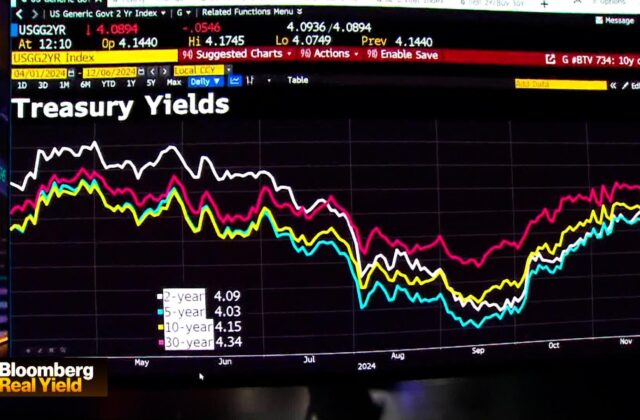
U.S. Treasury Doubles Bond Buybacks: Why Markets Are Still Worried About Rising Yields
The Treasury Just Sent Two Messages to Wall Street At first glance, this looks like a straightforward market-support operation. Treasury says: We want to improve liquidity in longer-dated Treasury securities. Investors hear: Washington is increasingly concerned about the rise in long-term borrowing costs. And that second interpretation is what makes this story important. The Treasury...
 Commodities
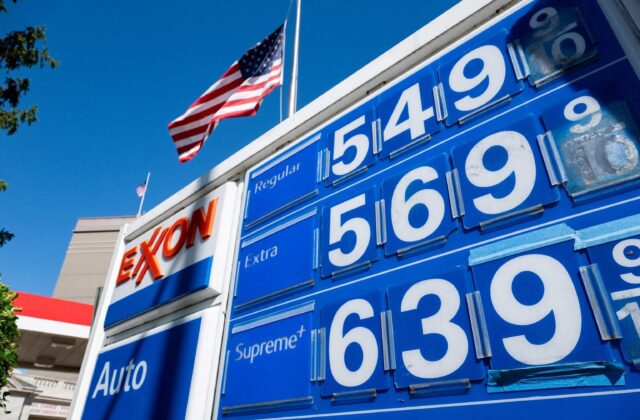
Oil Nears $95: Could the Iran War Trigger a New U.S. Inflation Shock?
Oil at $95 Is Not the Real Story A crude-oil headline is easy to write: “Oil prices rise as Iran tensions escalate.” Reuters, Bloomberg, CNBC and WSJ can publish that story within minutes. But for TheBusinessNow, that isn’t enough. The bigger question is: What happens to the American economy if oil stays near $95 —...
Comments (0)