
Global Shipping Shock? Houthis Declare Sea Navigation Ban on Saudi Arabia—Could Oil, Inflation, and Global Trade Be Hit Again?
Global Shipping Shock? Houthis’ Sea Navigation Ban Could Be the Next Major Risk for Oil, Inflation, and World Markets The global economy may have just received another geopolitical warning. Reports that Yemen’s Houthi movement has declared a “Sea Navigation Ban” on Saudi Arabia have immediately reignited concerns over one of the world’s most strategically important...
TheBusinessNow
Jul 20, 2026 · 3 min Read
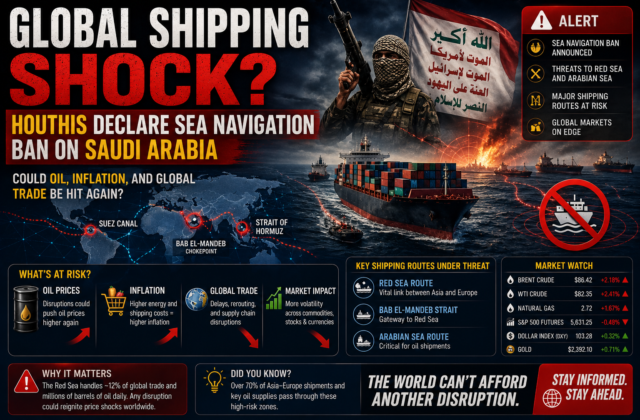
Key Highlights
- 🚢 Houthis announced a sea navigation ban targeting Saudi Arabia.
- 🌍 Maritime security concerns have returned to the Red Sea.
- 🛢️ Oil markets are watching for any threat to regional exports.
- 📈 Shipping insurance and freight costs could rise if tensions escalate.
- ⚠️ Global supply chains may face renewed pressure.
- 💹 Investors are monitoring energy, shipping, and defense stocks.
Global Shipping Shock? Houthis’ Sea Navigation Ban Could Be the Next Major Risk for Oil, Inflation, and World Markets
The global economy may have just received another geopolitical warning.
Reports that Yemen’s Houthi movement has declared a “Sea Navigation Ban” on Saudi Arabia have immediately reignited concerns over one of the world’s most strategically important maritime corridors. While markets were beginning to price in hopes of easing tensions in the Middle East, this announcement has introduced a fresh layer of uncertainty for global trade, energy supplies, and investor sentiment.
For businesses, investors, and governments, this is not simply a regional security story. Any disruption involving Saudi Arabia and the Red Sea has the potential to influence oil prices, shipping costs, inflation, airline fuel expenses, commodity markets, and stock indices around the world.
The coming days will determine whether this development remains a political statement or evolves into another major disruption for global commerce.
Why This Development Matters
Saudi Arabia remains one of the world’s largest energy exporters.
Although Saudi Arabia has invested heavily in alternative export infrastructure, maritime routes through the Red Sea remain essential for international trade.
If commercial shipping becomes more difficult or expensive, the effects can quickly spread across multiple industries.
Potential impacts include:
- Rising freight costs
- Higher insurance premiums for vessels
- Increased delivery times
- Volatility in crude oil markets
- Pressure on inflation globally
Why the Red Sea Is So Important
The Red Sea connects Europe, Asia, and the Middle East through one of the world’s busiest shipping corridors.
Every year, thousands of vessels transport:
- Crude oil
- Refined fuels
- Liquefied natural gas
- Consumer electronics
- Food products
- Industrial machinery
- Raw materials
Any security concern in this region forces shipping companies to reassess routes, operating costs, and risk exposure.
Could Oil Prices Reverse Their Recent Decline?
Only hours before this development, Brent crude had been trading below the $87-per-barrel level amid optimism surrounding diplomatic discussions involving Iran and the United States.
Now, traders face a competing narrative.
If maritime security deteriorates, markets could begin rebuilding the geopolitical premium that had recently faded.
Bullish Factors for Oil
- Supply disruption fears
- Shipping delays
- Higher transportation costs
- Increased geopolitical risk
Bearish Factors
- Weak global demand
- Rising inventories
- Diplomatic progress elsewhere in the region
The balance between these forces will likely determine the next move in global energy markets.
Industries That Could Feel the Impact
Shipping
Container operators and tanker companies may face:
- Longer voyage planning
- Higher operating expenses
- Increased insurance costs
- Greater route uncertainty
Airlines
Airlines closely monitor fuel prices.
Any sustained increase in crude oil could place pressure on operating margins, particularly for international carriers.
Manufacturing
Industries dependent on imported raw materials may experience higher logistics costs if shipping disruptions intensify.
Energy Producers
Oil and gas companies often benefit when geopolitical uncertainty supports higher crude prices.
What Investors Should Watch
Several indicators will shape market reaction over the coming days.
| Factor | Importance |
|---|---|
| Official Saudi response | Very High |
| Shipping activity in the Red Sea | Very High |
| Brent crude movement | High |
| OPEC+ commentary | High |
| Insurance premiums for vessels | Medium |
| Diplomatic developments | High |
Potential Market Winners
If tensions persist, investors may shift attention toward:
- Defense companies
- Energy producers
- Oil service firms
- Cybersecurity stocks
- Commodity-linked investments
Potential Market Losers
Industries sensitive to fuel costs could face renewed pressure.
Examples include:
- Airlines
- Cruise operators
- Logistics companies
- Consumer discretionary businesses
- Import-dependent manufacturers
Impact on Global Inflation
Energy prices remain one of the biggest drivers of inflation worldwide.
If shipping costs rise alongside oil prices, businesses may eventually pass those higher costs on to consumers.
This could complicate efforts by central banks to keep inflation under control.
What Does This Mean for India?
India imports a large portion of its crude oil requirements.
A prolonged disruption affecting regional shipping routes could influence:
- Fuel prices
- Import costs
- Inflation
- Trade balance
- Corporate margins in fuel-intensive sectors
At the same time, policymakers and refiners have diversified supply sources over recent years, which may help cushion the impact of localized disruptions.
Three Possible Scenarios
Scenario 1: Diplomatic De-escalation
If tensions ease quickly and shipping continues normally:
- Oil prices may remain stable.
- Freight costs could normalize.
- Equity markets may recover.
Scenario 2: Limited Maritime Disruptions
If security concerns increase but trade continues:
- Oil prices may become more volatile.
- Shipping costs could rise moderately.
- Energy stocks may outperform.
Scenario 3: Major Escalation
If commercial shipping faces significant disruption:
- Oil prices could move sharply higher.
- Global inflation risks would increase.
- Equity markets could become more volatile.
- Safe-haven assets such as gold may attract stronger demand.
Final Analysis
The announcement of a Sea Navigation Ban targeting Saudi Arabia marks another reminder that geopolitics remains one of the biggest drivers of financial markets in 2026. While the immediate operational impact is still evolving, even the perception of increased risk in the Red Sea is enough to influence oil prices, shipping costs, and investor sentiment.
For now, markets will focus on whether this declaration leads to measurable disruptions or remains largely symbolic. Official responses from Saudi Arabia, shipping companies, and international maritime authorities will be critical in determining the next phase. Investors should closely monitor crude oil prices, freight rates, and geopolitical headlines, as developments in this region have historically produced rapid moves across energy, transportation, and global equity markets.
FAQs
What is the Houthi sea navigation ban?
It refers to a declaration by Yemen’s Houthi movement restricting or discouraging maritime navigation related to Saudi Arabia, raising concerns over regional shipping security.
Why is this important for global markets?
The Red Sea is a major international shipping route. Any threat to maritime traffic can affect oil prices, supply chains, and inflation.
Could oil prices rise?
Yes. If markets believe energy exports or shipping routes are at risk, crude oil prices may increase due to higher geopolitical risk.
Which sectors could be affected?
Shipping, airlines, logistics, manufacturing, energy, insurance, and defense companies are among the sectors most likely to be influenced.
What should investors monitor next?
Official government responses, shipping activity, oil prices, insurance costs for vessels, and any signs of diplomatic escalation or de-escalation.
About TheBusinessNow
TheBusinessNow delivers global coverage of business, finance, technology, geopolitics, commodities, and economic trends. Our goal is to provide readers with original, fact-based analysis that explains how world events shape markets and investment decisions.
Keep reading
Related Articles
 Crypto
₿ Bitcoin Breaks Above $72,000: Why Trump’s Crypto Push Is Sending Crypto Stocks Higher
Bitcoin’s $72,000 Move Is Bigger Than Bitcoin A typical crypto headline would be: Bitcoin jumps above $72,000. But that misses the most important part of today’s move. The interesting part is the simultaneous rally in: Bitcoin ↓ Coinbase ↓ Strategy ↓ Circle ↓ Robinhood ↓ Bitcoin miners ↓ Crypto infrastructure That tells us investors aren’t...
 Markets
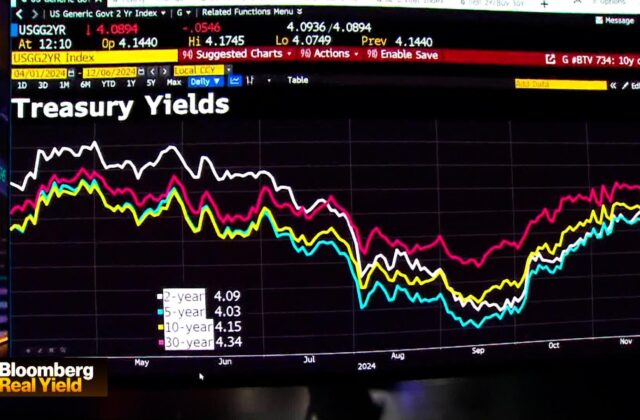
U.S. Treasury Doubles Bond Buybacks: Why Markets Are Still Worried About Rising Yields
The Treasury Just Sent Two Messages to Wall Street At first glance, this looks like a straightforward market-support operation. Treasury says: We want to improve liquidity in longer-dated Treasury securities. Investors hear: Washington is increasingly concerned about the rise in long-term borrowing costs. And that second interpretation is what makes this story important. The Treasury...
 Commodities
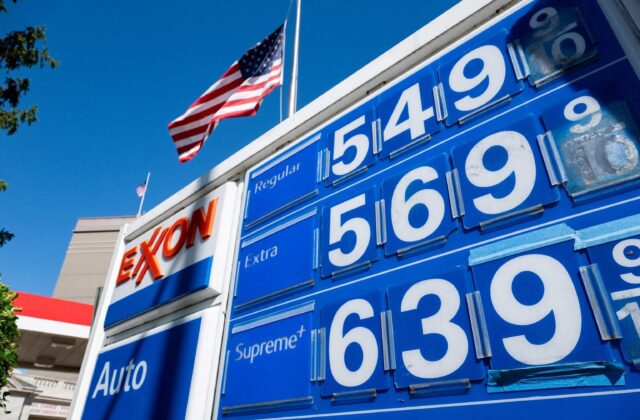
Oil Nears $95: Could the Iran War Trigger a New U.S. Inflation Shock?
Oil at $95 Is Not the Real Story A crude-oil headline is easy to write: “Oil prices rise as Iran tensions escalate.” Reuters, Bloomberg, CNBC and WSJ can publish that story within minutes. But for TheBusinessNow, that isn’t enough. The bigger question is: What happens to the American economy if oil stays near $95 —...
Comments (0)