
Why Are Hardee’s Franchisees Going Bankrupt? Inside Superior Star’s Chapter 11 Filing and What It Means for America’s Fast-Food Industry
The latest bankruptcy filing involving a major Hardee’s franchise operator has once again raised questions about the health of the American fast-food business. While headlines may suggest that another Hardee’s operator has collapsed, the bigger story is not about one company—it’s about the growing financial pressure facing restaurant franchisees across the United States. Superior Star,...
TheBusinessNow
Jul 12, 2026 · 4 min Read
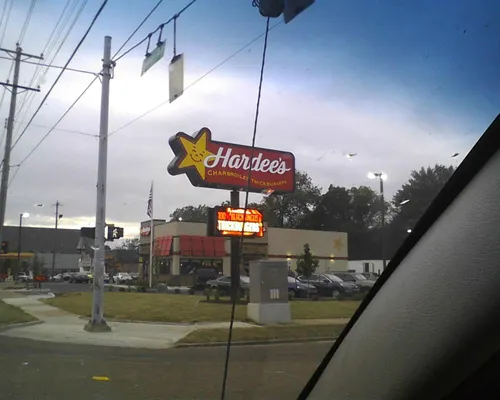
Key Highlights
- Another major Hardee's franchise operator has filed for Chapter 11 bankruptcy protection.
- Superior Star's filing does not mean Hardee's Corporation is bankrupt.
- Rising labor, food, rent, and financing costs continue to pressure restaurant operators.
- Chapter 11 allows businesses to reorganize while continuing operations.
- The case reflects broader financial challenges across the U.S. restaurant industry.
The latest bankruptcy filing involving a major Hardee’s franchise operator has once again raised questions about the health of the American fast-food business. While headlines may suggest that another Hardee’s operator has collapsed, the bigger story is not about one company—it’s about the growing financial pressure facing restaurant franchisees across the United States.
Superior Star, one of the larger operators of Hardee’s restaurants, has filed for Chapter 11 bankruptcy protection, adding to a growing list of restaurant businesses struggling with rising labor costs, higher food prices, changing consumer spending habits, and increasing debt obligations.
The filing has sparked concern among franchise owners, investors, employees, and customers who want to know whether this is an isolated business restructuring—or another warning sign for the restaurant industry.
Why Is Another Hardee’s Franchisee Filing Bankruptcy?
Unlike corporate-owned restaurants, franchise operators are independent businesses that pay licensing fees while managing their own finances.
Superior Star’s Chapter 11 filing does not mean Hardee’s Corporation itself is bankrupt.
Instead, it highlights how even experienced franchise operators can struggle when expenses rise faster than sales.
Several challenges have been squeezing restaurant operators over the past few years:
- Higher food and ingredient costs
- Rising employee wages
- Increased rent and utility expenses
- Higher interest rates on business loans
- Reduced discretionary spending by consumers
When several of these pressures occur at the same time, profitability becomes increasingly difficult.
What Is Superior Star?
Superior Star is a franchise operator responsible for managing numerous Hardee’s restaurant locations.
As a franchisee, the company operates restaurants under the Hardee’s brand while handling day-to-day operations, staffing, payroll, leases, and local financial performance.
Its Chapter 11 filing allows the company to reorganize its finances while continuing to operate many of its restaurants.
Does This Mean Hardee’s Is Bankrupt?
No.
This distinction is important.
Hardee’s as a national restaurant brand is not the company filing for bankruptcy protection.
The bankruptcy involves one franchise operator rather than the parent company.
Customers should not assume that Hardee’s restaurants nationwide are closing.
Instead, the filing affects the operations and financial restructuring of the franchise company involved.
Why Restaurant Franchisees Are Under More Pressure Than Ever
Restaurant operators across America have been navigating one of the most difficult business environments in decades.
Many franchisees signed long-term leases before inflation accelerated.
Since then, operators have faced:
Inflation
Food prices remain significantly higher than they were just a few years ago.
Labor Shortages
Many restaurants continue competing for workers by offering higher wages and better benefits.
Consumer Spending
As inflation affects household budgets, customers often reduce discretionary spending or seek lower-priced meal options.
Debt Costs
Businesses with variable-rate loans have seen borrowing costs increase substantially.
Together, these factors have compressed already-thin restaurant profit margins.
What Chapter 11 Bankruptcy Actually Means
Chapter 11 is frequently misunderstood.
It does not necessarily mean a business is shutting down.
Instead, Chapter 11 allows companies to:
- Continue operating
- Restructure debt
- Renegotiate leases
- Improve cash flow
- Develop a recovery plan under court supervision
Many businesses successfully emerge from Chapter 11 after reorganizing their finances.
Could More Restaurant Chains Face Similar Problems?
Industry analysts have noted that financial pressure is affecting restaurant operators across multiple brands—not only Hardee’s.
Franchise businesses with high debt, declining sales, or rising operating expenses may face increasing challenges if economic conditions remain difficult.
However, each franchise company has its own financial situation, and one operator’s bankruptcy does not automatically indicate broader financial distress for an entire restaurant brand.
What Does This Mean for Customers?
For most customers, daily operations at affected locations may continue during the restructuring process.
Depending on the outcome of the bankruptcy proceedings, some locations could:
- Continue operating normally
- Be sold to another franchise operator
- Close if they remain unprofitable
Customers should expect minimal short-term disruption while the restructuring process moves forward.
Why This Story Matters Beyond Hardee’s
The filing reflects broader economic trends affecting thousands of franchise businesses across the United States.
Restaurants have long been considered indicators of consumer confidence because dining out is often one of the first discretionary expenses households reduce during periods of financial uncertainty.
As operators adapt to changing economic conditions, the restaurant industry will continue balancing rising costs with consumer demand.
Final Thoughts
Superior Star’s Chapter 11 filing is less about the future of Hardee’s as a brand and more about the financial realities facing franchise operators in today’s economy.
The case highlights the importance of understanding the difference between a corporate brand and its independently owned franchisees.
As the restructuring process unfolds, investors, restaurant owners, and consumers alike will be watching closely to see whether this represents an isolated restructuring—or another sign of broader challenges within the fast-food industry.
FAQ
Why are Hardee’s franchisees going bankrupt?
Many franchise operators face rising costs, inflation, labor shortages, and higher borrowing expenses, making profitability more difficult.
Is Hardee’s going out of business?
No. The bankruptcy involves Superior Star, an independent franchise operator, not Hardee’s Corporation.
What is Chapter 11 bankruptcy?
Chapter 11 allows businesses to reorganize debts while continuing to operate under court supervision.
Will Hardee’s restaurants close?
Some locations could eventually close or change ownership, but many continue operating during the restructuring process.
Does this affect Carl’s Jr.?
Hardee’s and Carl’s Jr. are sister brands under the same parent company, but this filing involves a franchise operator rather than the parent company itself.
About TheBusinessNow
TheBusinessNow delivers global coverage of business, finance, technology, geopolitics, commodities, and economic trends. Our goal is to provide readers with original, fact-based analysis that explains how world events shape markets and investment decisions.
Keep reading
Related Articles
 Business
Japan’s Bond Market Is Sending a Warning: 10-Year Yields Near 3% Put the BOJ and Government Under Pressure
Japan’s Bond Market Is Sending a Warning: 10-Year Yields Near 3% Put the BOJ and Government Under Pressure Japan’s once-unthinkably low borrowing costs are disappearing. As the 10-year Japanese government bond yield approaches 3%, investors are reassessing inflation, government spending, the yen and the next move from the Bank of Japan. Japan’s bond market is...
 Business
$23.8 Million Judgment Pushes Ice Cream Maker Into Bankruptcy: What Rebel Creamery’s Collapse Means for U.S. Consumer Brands
Rebel Creamery Files for Bankruptcy After $23.8 Million Judgment: The Business Story Behind the Ice Cream Collapse A U.S. ice cream company whose products are sold through major grocery retailers including Walmart, Kroger and Safeway has filed for Chapter 11 bankruptcy protection while appealing a nearly $23.8 million court judgment. Rebel Creamery LLC filed for...
 Business
Nike Stock Down 35%: China Crisis Deepens — Is NKE a Bargain or a Dangerous Value Trap?
Nike Stock Is Falling — But Is This Finally the Buying Opportunity Investors Have Been Waiting For? Nike (NYSE: NKE) is facing a problem that goes far beyond a weak quarter. The world’s most recognizable sportswear brand is trying to rebuild growth while dealing with declining sales in China, weaker direct-to-consumer revenue, intense competition and...
Comments (0)