
OpenAI Unveils GPT-Live Voice Models: AI Can Now Listen and Speak Simultaneously
OpenAI Introduces GPT-Live Voice Models for Real-Time Conversations OpenAI has announced a major advancement in conversational AI with the launch of its new GPT-Live voice models, designed to make interactions with artificial intelligence feel more like speaking with another person. Unlike previous voice assistants that waited for users to finish talking before responding, the new...
TheBusinessNow
Jul 9, 2026 · 5 min Read
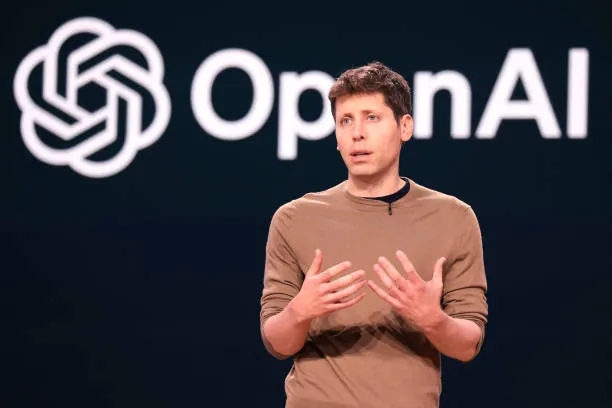
Key Highlights
- 🎙️ OpenAI launched GPT-Live voice models for real-time conversations.
- ⚡ The models can listen and speak simultaneously, reducing response delays.
- 💬 Conversations feel more natural with support for interruptions and dynamic dialogue.
- 🌍 Designed for multilingual, low-latency voice interactions.
- 🏢 Businesses can integrate the technology into customer service, education, healthcare, and other voice-powered applications.
- 🚀 The release strengthens OpenAI's position in the rapidly growing AI voice assistant market.
OpenAI Introduces GPT-Live Voice Models for Real-Time Conversations
OpenAI has announced a major advancement in conversational AI with the launch of its new GPT-Live voice models, designed to make interactions with artificial intelligence feel more like speaking with another person.
Unlike previous voice assistants that waited for users to finish talking before responding, the new models can listen and speak simultaneously, enabling faster, more natural, and uninterrupted conversations.
The release represents one of the biggest upgrades to AI voice technology and could significantly improve how businesses build customer support systems, voice assistants, educational applications, and AI-powered services.
What Makes GPT-Live Different?
Traditional AI voice assistants generally follow a simple process:
- User speaks.
- AI waits until the user finishes.
- AI processes the request.
- AI replies.
GPT-Live changes this approach.
The new voice models can:
- 🎙️ Listen while the user is speaking.
- 💬 Respond naturally without long pauses.
- 🧠 Understand interruptions.
- 🔄 Adapt to changing conversations in real time.
- 😊 Detect conversational flow for a smoother experience.
This makes conversations feel much closer to speaking with another human.
Key Features of GPT-Live
🎧 Simultaneous Listening & Speaking
The biggest breakthrough is the ability to process incoming speech while generating responses, reducing awkward delays.
⚡ Lower Latency
OpenAI has significantly reduced response times, making conversations faster and more fluid.
🗣️ Natural Voice Interaction
The models offer more expressive speech with improved pacing, tone, and conversational rhythm.
🔄 Better Interrupt Handling
Users can interrupt the AI mid-response, ask follow-up questions, or change topics naturally without restarting the conversation.
🌍 Multilingual Support
The voice models support multiple languages, making them suitable for global applications.
Why This Is Important
Voice AI has become increasingly important across industries, including:
- Customer support
- Education
- Healthcare
- Smart home devices
- Automotive assistants
- Virtual tutoring
- Productivity tools
By making conversations feel more human, OpenAI hopes to improve user engagement and expand real-world AI adoption.
Potential Business Applications
Companies can use GPT-Live for:
- AI customer service agents
- Voice-enabled shopping assistants
- Banking support
- Healthcare scheduling
- Travel booking assistants
- Language learning apps
- Interactive education platforms
- AI-powered sales representatives
Developers can also integrate these models into applications requiring low-latency voice communication.
ChatGPT Voice Experience Gets Smarter
The launch also enhances ChatGPT’s voice capabilities, allowing users to have smoother, more interactive conversations.
Instead of feeling like a sequence of commands and replies, ChatGPT can now engage in conversations that are more dynamic, responsive, and natural.
The improvements are expected to make voice interactions particularly useful for brainstorming, tutoring, translation, and hands-free productivity.
Competition in the AI Race
OpenAI’s latest release intensifies competition in the rapidly evolving AI industry.
Major technology companies—including Google, Anthropic, Meta, Microsoft, and Amazon—are all investing heavily in advanced voice AI.
The ability to deliver near real-time conversations is becoming a key differentiator as companies compete to build the next generation of intelligent assistants.
What It Means for Developers
OpenAI says the new voice models are designed for developers building applications that require:
- Real-time speech recognition
- Live conversational AI
- Interactive customer support
- Voice automation
- AI-powered call centers
- Smart assistants
The models are expected to help developers create more responsive and engaging voice experiences with lower latency than previous generations.
Market Impact
The launch reinforces OpenAI’s position as one of the leading innovators in generative AI.
Industry analysts believe advances in real-time voice interaction could accelerate adoption across enterprise software, customer service, education, and consumer applications.
As AI becomes more conversational, businesses are likely to explore broader use cases that go beyond text-based chatbots.
Bottom Line
With the introduction of GPT-Live voice models, OpenAI has taken another significant step toward making AI conversations feel genuinely human. By allowing AI to listen and speak simultaneously, the company is reducing delays, improving responsiveness, and opening the door to a new generation of voice-first applications.
For developers, businesses, and everyday users, the technology promises more fluid, interactive, and natural conversations—bringing AI one step closer to seamless real-world communication.
About TheBusinessNow
TheBusinessNow delivers global coverage of business, finance, technology, geopolitics, commodities, and economic trends. Our goal is to provide readers with original, fact-based analysis that explains how world events shape markets and investment decisions.
Keep reading
Related Articles
 Crypto
₿ Bitcoin Breaks Above $72,000: Why Trump’s Crypto Push Is Sending Crypto Stocks Higher
Bitcoin’s $72,000 Move Is Bigger Than Bitcoin A typical crypto headline would be: Bitcoin jumps above $72,000. But that misses the most important part of today’s move. The interesting part is the simultaneous rally in: Bitcoin ↓ Coinbase ↓ Strategy ↓ Circle ↓ Robinhood ↓ Bitcoin miners ↓ Crypto infrastructure That tells us investors aren’t...
 News
News
GitHub Down Worldwide: Microsoft-Owned Platform Hit by Major Outage — What Developers and Businesses Need to Know
GitHub Down Today: Global Outage Disrupts Developers, GitHub Actions and Copilot GitHub is experiencing a major service disruption, leaving developers and businesses around the world unable to reliably access some of the platform’s most important services. The Microsoft-owned developer platform began reporting problems on August 17, 2026, with users experiencing errors across GitHub’s website, API,...
 Business
Is Bluesky Down Right Now? Users Report Widespread Outage, Login Problems and Feed Disruptions
Is Bluesky Down Right Now? Users Report Widespread Outage, Login Problems and Feed Disruptions Bluesky users are reporting widespread problems today, August 16, with the social platform failing to load properly for many people across different locations. Reports describe a range of issues, including login failures, blank or blue screens, feeds that refuse to load,...
Comments (0)