
U.S. Fires on Panama-Flagged Ship Near Iran Blockade: Vela Nova Incident Raises Fresh Maritime Crisis Fears
U.S. Fires on Panama-Flagged Ship Near Iran Blockade: Vela Nova Incident Raises Fresh Maritime Crisis Fears Meta Description: U.S. forces reportedly fired on Panama-flagged ship Vela Nova after it attempted to breach the blockade of Iranian ports. Here’s what happened and what it means. A new maritime confrontation in the Gulf region is putting the...
Linda
Aug 11, 2026 · 3 min Read
Key Highlights
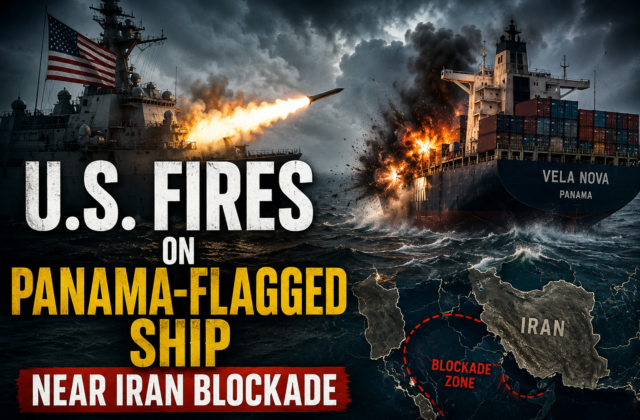
- 🇺🇸 U.S. forces reportedly opened fire on the Panama-flagged container ship Vela Nova during a blockade-enforcement operation targeting Iranian ports.
- 🚁 A U.S. military helicopter reportedly fired at the vessel's rudder after the crew allegedly ignored warnings to stop.
- 🌊 The incident occurred in the Gulf of Oman, around 71 nautical miles off Pakistan's coast, according to maritime-security reporting.
- 🔥 The ship was reportedly struck and caught fire, but the fire was later extinguished.
- 👥 All 17 crew members were reported safe, with no immediate casualties reported from the Vela Nova incident.
- 🚢 The vessel was reportedly attempting to breach the U.S. naval blockade of Iranian ports, making the incident part of a broader maritime confrontation.
- ⚠️ The incident highlights rising risks for commercial shipping around the Gulf of Oman and Strait of Hormuz, where maritime traffic has already been heavily disrupted.
U.S. Fires on Panama-Flagged Ship Near Iran Blockade: Vela Nova Incident Raises Fresh Maritime Crisis Fears
Meta Description: U.S. forces reportedly fired on Panama-flagged ship Vela Nova after it attempted to breach the blockade of Iranian ports. Here’s what happened and what it means.
A new maritime confrontation in the Gulf region is putting the U.S.-Iran conflict back under the spotlight.
U.S. forces reportedly opened fire on a Panama-flagged container ship after it attempted to breach the American naval blockade of Iranian ports, according to The Wall Street Journal and Reuters. The vessel was identified as the Vela Nova, and the incident occurred in the Gulf of Oman, adding another potentially dangerous episode to an already disrupted global shipping environment.
The reported action is significant because it involves a commercial vessel flying the flag of Panama and comes amid continuing restrictions on maritime traffic connected to Iran.
While the immediate incident appears to have been contained, the consequences could extend far beyond one ship.
🚨 What Happened to the Panama-Flagged Ship?
According to reporting cited by Reuters, a U.S. military helicopter fired at the rudder of the Vela Nova after U.S. personnel warned the vessel against attempting to breach the blockade. The ship reportedly continued despite those warnings.
The Wall Street Journal reported that the incident happened early Tuesday in the Gulf of Oman, roughly 71 nautical miles off Pakistan’s coast. A maritime security firm said the ship was struck and a fire subsequently broke out, although the fire was later extinguished.
The reported sequence is important:
- U.S. forces were enforcing the blockade.
- The commercial vessel was warned.
- The vessel allegedly continued toward Iranian ports.
- A U.S. helicopter fired at the ship’s rudder.
- The vessel was damaged and a fire was reported.
- The crew was reported safe.
There were no immediate reports of crew fatalities in the available reporting. The ship had 17 crew members aboard, according to the Wall Street Journal report cited by Reuters.
🚢 Why Was the Vela Nova Targeted?
The central issue is the alleged attempt to break the U.S. blockade of Iranian ports.
The United States has been using maritime power to restrict shipping connected to Iran as part of its broader pressure campaign.
That makes commercial vessels operating around the region particularly sensitive.
For shipping companies, the distinction between an ordinary commercial voyage and a voyage that Washington considers a breach of restrictions can have enormous consequences.
In this case, the U.S. reportedly treated the Vela Nova’s movement as an attempt to challenge the blockade rather than simply an ordinary commercial transit.
The precise cargo and ownership details surrounding the vessel will therefore be closely watched as more information emerges.
🔥 Was the Ship Destroyed?
No.
The available reporting indicates that the vessel was damaged rather than destroyed.
The reported strike targeted the ship’s rudder, which is critical to steering. Maritime security sources also reported that a fire broke out following the strike but was subsequently extinguished.
The crew was reported safe.
There were also reports that the vessel was attempting to transfer its crew to another civilian vessel after the incident.
That distinction matters because early reports about incidents involving commercial ships can quickly become exaggerated online.
At this stage, the strongest verified point is that a U.S. military helicopter reportedly fired on the Panama-flagged Vela Nova during a blockade-enforcement operation and the ship was damaged.
🌍 Why This Incident Is Bigger Than One Ship
The Vela Nova incident comes at a particularly sensitive moment for global shipping.
The Gulf of Oman and the Strait of Hormuz form part of one of the world’s most strategically important energy corridors.
Any sustained increase in military activity around commercial shipping can affect:
- Oil tanker movements
- Shipping insurance
- Freight costs
- Delivery schedules
- Energy prices
- Regional trade
- Global inflation expectations
Even if no major supply disruption occurs, the perception of increased maritime risk can influence markets.
Shipping companies may respond by changing routes, delaying voyages or demanding higher insurance premiums.
That creates a second-order economic impact.
🛢️ What Could It Mean for Oil Prices?
Oil markets are likely to focus on whether the incident remains isolated or becomes part of a broader pattern.
A single damaged container ship does not automatically mean global oil supplies will be disrupted.
However, the risk calculation changes if more commercial vessels are challenged, diverted or attacked.
The Strait of Hormuz is particularly important because of the volume of energy commodities that normally move through the wider region.
That means traders will be watching several developments simultaneously:
1. More U.S. blockade actions
If Washington increases enforcement, shipping risks could rise.
2. Iran’s response
Tehran’s reaction could determine whether the situation remains contained.
3. Commercial shipping decisions
If major carriers begin avoiding certain waters, freight and insurance costs could rise.
4. Tanker traffic
Any significant reduction in tanker movements would be especially important for oil markets.
5. Diplomatic developments
A diplomatic agreement could rapidly reduce the risk premium attached to regional shipping.
🇺🇸 Why the Panama Flag Matters
The fact that the ship was Panama-flagged is another important element.
Panama operates one of the world’s largest ship registries, meaning vessels flying its flag can have owners, operators and cargo interests based in different countries.
A ship’s flag does not necessarily tell you who ultimately owns the vessel or where its cargo originated.
That’s why investigators and maritime authorities will likely examine:
- The vessel’s ownership
- Its operator
- Its cargo
- Its last port calls
- Its intended destination
- Communications with U.S. forces
- Whether warnings were received
- Whether the voyage was connected to sanctioned Iranian trade
Those details could determine how the incident is interpreted internationally.
⚠️ The Biggest Risk: A Wider Maritime Escalation
The most important question now isn’t simply what happened to the Vela Nova.
It is:
What happens if another commercial vessel tries to challenge the blockade?
If future incidents involve additional ships, casualties or retaliatory attacks, the situation could become considerably more dangerous.
Commercial shipping depends heavily on predictable rules.
When merchant vessels begin operating in an environment where military forces may intervene directly, companies have to reassess their risk calculations.
That can produce a feedback loop:
Military tension → higher shipping risk → higher insurance costs → fewer vessels → tighter supply → higher commodity prices.
This is why markets may pay attention even if the immediate physical damage from Tuesday’s incident remains limited.
🇮🇷 How Could Iran Respond?
Iran now faces a difficult strategic calculation.
A strong response against U.S. forces could escalate the confrontation.
But failing to respond could be interpreted domestically or regionally as acceptance of the expanding blockade.
Possible developments could include diplomatic protests, warnings to commercial shipping, attempts to challenge the blockade indirectly or renewed pressure on vessels operating in the region.
However, there is currently not enough verified information to conclude what Tehran’s next military move will be.
That distinction is important.
Speculation about an imminent wider war should not be presented as established fact.
📉 Could This Push Global Markets Lower?
Potentially—but the reaction will depend heavily on whether the incident expands.
Oil
A prolonged maritime confrontation could add a geopolitical risk premium to crude.
Shipping stocks
Companies exposed to the Gulf and surrounding trade routes could face higher operating and insurance costs.
Airlines
Higher oil prices can increase fuel expenses and pressure airline margins.
Inflation
A sustained energy-price increase could complicate central-bank efforts to control inflation.
Safe-haven assets
Gold and other defensive assets could attract additional attention if investors view the confrontation as a broader geopolitical escalation.
🔮 What Happens Next?
The next 24–72 hours could be crucial.
Markets and governments will be watching for confirmation of several things:
Will the U.S. release more details about the operation?
Will Iran respond?
Will Panama comment on the vessel?
Will the Vela Nova continue its voyage or require assistance?
Will other commercial ships alter their routes?
Will additional blockade incidents occur?
These developments will determine whether Tuesday’s confrontation remains an isolated maritime enforcement action or becomes another chapter in the wider U.S.-Iran shipping crisis.
📊 U.S.-Iran Shipping Crisis Outlook
| Factor | Near-Term Impact | What to Watch |
|---|---|---|
| Vela Nova incident | 🔴 High | Further official details |
| U.S. blockade | 🔴 High | Additional enforcement actions |
| Iran response | 🔴 High | Military or diplomatic retaliation |
| Oil prices | 🟠 Medium–High | Supply disruption risk |
| Shipping costs | 🟠 Medium–High | Insurance and route changes |
| Global markets | 🟡 Medium | Risk sentiment |
| Gold | 🟢 Potentially supportive | Geopolitical demand |
| Strait of Hormuz | 🔴 Critical | Vessel traffic and security |
The Bottom Line
The reported U.S. attack on the Panama-flagged Vela Nova represents a significant escalation in the enforcement of Washington’s maritime pressure campaign against Iran.
According to Reuters and the Wall Street Journal, U.S. forces fired at the vessel’s rudder after it allegedly attempted to breach the blockade of Iranian ports. The ship was damaged, a fire was reported and the crew was reported safe.
The immediate incident appears contained.
The bigger concern is what comes next.
If commercial vessels continue attempting to breach the blockade and U.S. forces continue using military force to stop them, the risk of a wider maritime confrontation could increase.
For investors, the most important signals will be oil prices, tanker traffic, shipping insurance costs, gold, and any signs of retaliation from Iran.
Until more information emerges, the Vela Nova incident should be viewed as a serious escalation in maritime tensions—but not, by itself, proof that a broader regional shipping war is inevitable.
❓ FAQs
What happened to the Panama-flagged ship?
U.S. forces reportedly fired on the Panama-flagged container ship Vela Nova after it allegedly attempted to breach a U.S. blockade of Iranian ports. The reported strike targeted the vessel’s rudder.
Was anyone killed?
The available reports cited here said there were no immediate reports of casualties among the Vela Nova’s crew. Seventeen crew members were reported aboard.
Where did the incident happen?
The incident was reported in the Gulf of Oman, approximately 71 nautical miles off Pakistan’s coast, according to the Wall Street Journal report cited by Reuters.
Why is the incident important for oil prices?
A sustained increase in military threats to commercial shipping could disrupt energy transportation, raise insurance costs and increase the geopolitical risk premium in crude markets.
Could this affect the Strait of Hormuz?
Potentially. The wider Gulf region and Strait of Hormuz are crucial to global energy transportation. Any significant deterioration in maritime security could affect shipping and energy markets.
Is the Vela Nova incident confirmed?
Reuters reported the incident based on the Wall Street Journal’s account citing a U.S. official, while additional maritime-security reporting provided information about the vessel and damage. Further official details are expected as the investigation develops.
🌐 External Resources
Keep reading
Related Articles
 Crypto
₿ Bitcoin Breaks Above $72,000: Why Trump’s Crypto Push Is Sending Crypto Stocks Higher
Bitcoin’s $72,000 Move Is Bigger Than Bitcoin A typical crypto headline would be: Bitcoin jumps above $72,000. But that misses the most important part of today’s move. The interesting part is the simultaneous rally in: Bitcoin ↓ Coinbase ↓ Strategy ↓ Circle ↓ Robinhood ↓ Bitcoin miners ↓ Crypto infrastructure That tells us investors aren’t...
 Markets
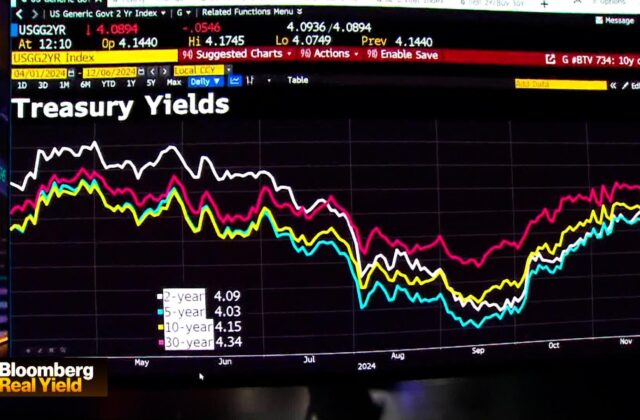
U.S. Treasury Doubles Bond Buybacks: Why Markets Are Still Worried About Rising Yields
The Treasury Just Sent Two Messages to Wall Street At first glance, this looks like a straightforward market-support operation. Treasury says: We want to improve liquidity in longer-dated Treasury securities. Investors hear: Washington is increasingly concerned about the rise in long-term borrowing costs. And that second interpretation is what makes this story important. The Treasury...
 Commodities
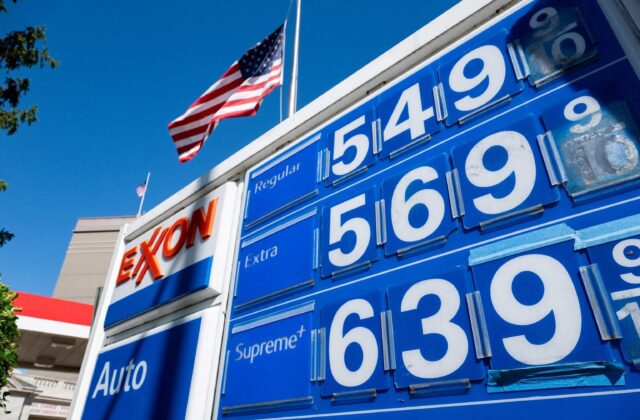
Oil Nears $95: Could the Iran War Trigger a New U.S. Inflation Shock?
Oil at $95 Is Not the Real Story A crude-oil headline is easy to write: “Oil prices rise as Iran tensions escalate.” Reuters, Bloomberg, CNBC and WSJ can publish that story within minutes. But for TheBusinessNow, that isn’t enough. The bigger question is: What happens to the American economy if oil stays near $95 —...
Comments (0)